How Smart Game Design Turns Waiting Screens into Moments of Excitement

Nobody likes waiting, but in video games, they’re inevitable. Loading screens appear between missions, matchmaking, and even fast travel. You’ll encounter these moments during almost every session, and they influence your perception of the game.
Developers are now getting creative, empowering gamers with certain actions during waiting screens. A ten-second wait where nothing happens can feel endless. However, a fun thirty-second pause feels very short. Many games now incorporate various elements into their waiting screens that engage the players.
Why do these elements matter?
Right now, we live in an instant gratification world. While it is true that the best things are worth the wait, you will find a hard time convincing gamers that that includes waiting on load screens. People want everything right away, and services that scratch that itch appear to be winning. Industry data suggests that online slot platforms increasingly prioritise fast load times, instant play, and uninterrupted session flow to keep users engaged between actions (source: https://www.videogamer.com/uk/online-casinos/slots/). However, the question becomes, do people not like waiting, or do they not like being made aware that they are waiting?
How Perception Shapes Waiting
How long you think you’ve waited has a lot to do with what’s actually happening while you wait. Staring at a blank screen for a few seconds feels endless. However, with a little movement or feedback, even a longer wait passes by more quickly. When gamers get some visual cue or hint that there’s action or progress, they feel less annoyed and a bit more in control. Game designers also know this. Instead of trying to make loading screens disappear, which isn’t always possible, they look for ways to make the wait less boring.
Why Progress Bars Matter
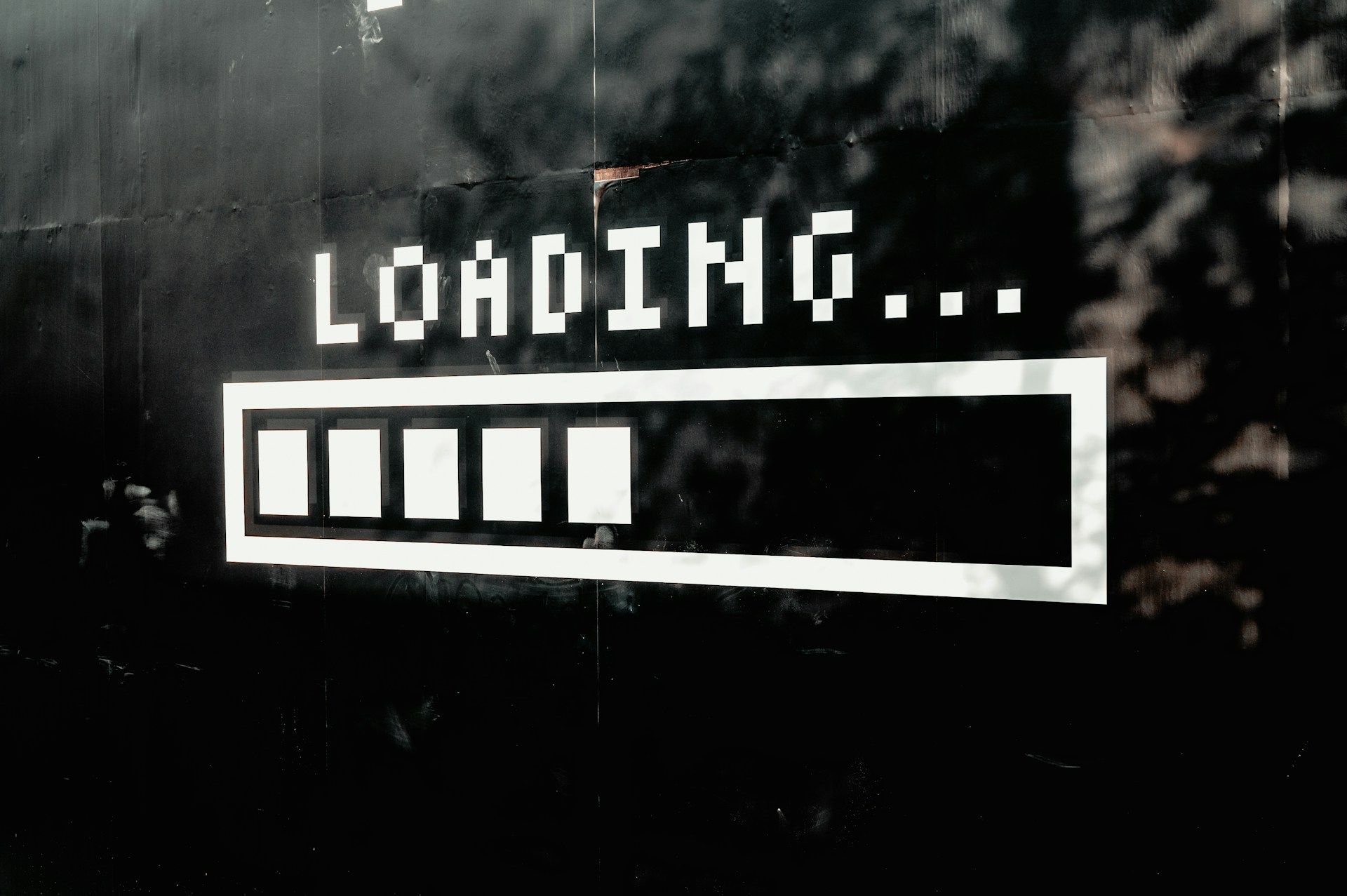
Progress bars make you feel better, especially when a gamer sees a moving bar or a percentage; they understand that the game is working and they’re not stuck. Honest and clear indicators build trust. On the other hand, a vague “loading” message or a frozen graphic leads to a negative user experience and might cause players to leave the game. Designers who show clear progress help players stay calm and focused.
Turning Idle Time into Useful Time
Rather than a blank screen, many games use wait screens to provide game-related values. Tips on gameplay, control reminders, and strategy hints help the gamer prepare for what's coming. Story-driven games often show snippets of lore or insight into a character to deepen immersion. These elements serve more than to entertain, reinforcing learning and advancing the narrative. When a player can get something useful from a wait, a pause feels productive rather than intrusive.
Others take this a step further by adding interactivity to waiting screens. Simple mini-games, movement drills, or light challenges engage players while loading completes. This approach turns waiting into play and significantly reduces perceived delay. However, it’s important to keep this interactivity optional. Some players prefer to rest or focus before gameplay resumes, using the loading screen window. If implemented carefully, micro-experiences like these create anticipation rather than impatience.
Animation, Motion, and Sounds
Motion design strongly affects the passage of time, either speeding it up or slowing it down. Well-designed animations, looping sequences, and subtle transitions keep the screen alive.
Often, designers divide progress into several visual steps, which increases the perceived pace. Rhythmic motion implies momentum, leading to the next scene. Poor animation exaggerates delay and draws attention to waiting itself rather than to progress.
The psychology of sound can not be underestimated in game design. Music cues, ambient sounds, or escalating tones signal progress and build excitement. Sound masks silence, which otherwise amplifies impatience. Well-timed audio transitions also prepare players mentally for what comes next. When visuals and sound work together, the waiting screen feels like part of the game world instead of a technical pause.
Personalization and Context Awareness
One way to make waiting a lot less like waiting is to have the wait screens load up personalized data If the wait screen features information like goals scored from long range, or quickest TTk, chances are that players will be anticipating the next wait screen to see what other badges they have unlocked, which leaderboards they are topping, and what records they are breaking. The best multiplayer games may also provide friend activity, letting the player know if their friends are online, available, or their matchmaking status, adding a social background for the wait.
Doing this ensures that the player stays connected on a personal level, focused throughout as they navigate their journey in the game, even with the waiting screen.
Maintaining Visual and Narrative Consistency
Consistency also keeps immersion intact on transitions. Waiting screens that match the art style, tone, and narrative of the game feel more organic and less disruptive. Some games preview the environments or enemies that are to come, preparing players for the next challenge. This approach maintains emotional continuity, making storytelling stronger. Inconsistent or generic designs provide a jolt to break immersion, reminding players that they are waiting and not playing.
Technical Design Supporting Improved Waiting Screens
Behind every great waiting screen lies really thoughtful technical planning. Asset streaming, scene optimization, and background loading reduce the real wait time and let developers show richer visuals during the pauses.
Many developers often preload elements in stages, which lets designers show meaningful content while the game finishes loading. Transparency remains important, though, as misleading feedback erodes trust. When technical and visual design align, waiting screens feel smooth and intentional.
Ease of Access and Comfort for Players
It is important to note that different players experience the wait screens differently. While sounds and fast animations might be interesting or immersive for some, they might be overstimulating for others. The introduction of inclusive design, however, allows for the use of simple texts and descriptions to replace the potentially distracting clutter. Doing this places control in the player’s hands, allowing them to choose how they want to experience the wait time. This level of accessibility ensures that waiting in games does not need to be at a cost.
Measuring Success & Iterating Design
Designing effective waiting screens is about measurement and iteration. Whether budget gaming or Triple A releases, developers now track real load times alongside player feedback and engagement metrics. A/B testing of different progress indicators, animations, or content types identifies what reduces frustration and increases enjoyment. It's combining objective data with player perception that results in better decisions. Waiting screens improve if treated as evolving features rather than fixed assets.
As games grow larger and more complex, waiting will never disappear entirely. Smart design acknowledges this reality and turns it into an opportunity. By engaging attention, reinforcing learning, and building anticipation, waiting screens add to the overall fun. They are part of a game's polish and respect for the time of players. Waiting is not dead space in modern game design; it is a moment where excitement can rise.
Conclusion
Smart game design transforms waiting screens from passivity into meaning. Understanding perception provides clear feedback, adds either content or interaction for value, and consistency.
Designers reshape how players feel about waiting. Modern waiting screens are no longer a disruption to play but rather a support for it. They now help build anticipation and immersion. When done well, the waiting screen becomes a part of the fun, and the pauses, whether brief or lengthy, move the experience forward.