The Rise of Competitive Gaming: How Esports Is Reshaping Digital Entertainment

Competitive gaming has evolved far beyond casual matchmaking and ranked ladders. What began as small community tournaments has grown into a global industry with professional leagues, dedicated fan bases, and multimillion-dollar prize pools.
Titles like League of Legends have played a defining role in this transformation. Since its launch by Riot Games, the game has built one of the most structured and commercially successful esports ecosystems in the world.
But esports is no longer just about watching tournaments. It’s about data, strategy, analytics—and increasingly, digital engagement models that mirror traditional sports.
From Solo Queue to Stadium Arenas
For many players, the journey begins in ranked mode. Grinding divisions, mastering champions, and improving mechanics are deeply personal milestones. Yet at the highest level, competitive League of Legends has become a fully professionalized spectacle.
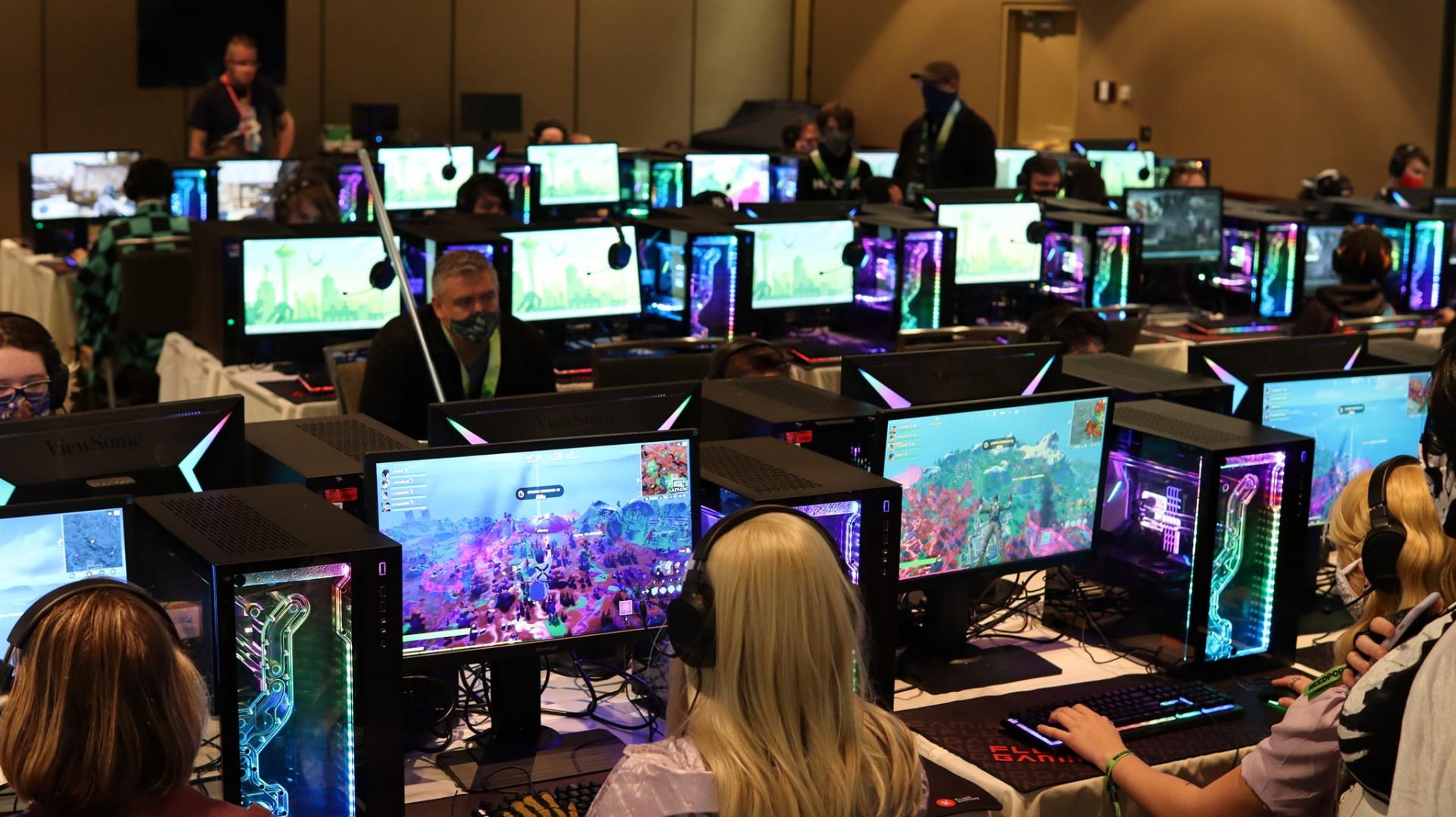
International events such as the League of Legends World Championship draw millions of concurrent viewers. Regional leagues operate with structured seasons, team organizations, analysts, and coaching staff.
- Professional contracts
- Sponsorship deals
- Dedicated training facilities
- Broadcast-quality production
- Global fan engagement
Esports is no longer niche—it’s mainstream digital competition.
The Data-Driven Nature of Modern Esports
Unlike traditional sports, esports generates vast amounts of real-time performance data:
- Gold per minute (GPM)
- Kill participation rates
- Vision control metrics
- Objective timing efficiency
- Draft composition win rates
For analytical fans, this data transforms spectating into a strategic exercise. Understanding macro play, draft strategy, and scaling windows creates deeper engagement.
This analytical depth is also why competitive gaming increasingly overlaps with structured prediction ecosystems—much like traditional sports.
Esports and the Evolution of Competitive Engagement
As esports matures, fans want more than passive viewing. They want interactive engagement.
Traditional sports industries have long incorporated structured prediction models and statistical forecasting. Esports is now following a similar trajectory, particularly in regions where regulatory frameworks allow competitive prediction platforms.
The parallels are clear:
- Performance metrics influence odds
- Team form impacts match expectations
- Meta shifts affect strategic forecasting
- Patch updates alter probability models
Competitive gaming, especially at the highest level of League of Legends, has become sophisticated enough to support advanced analytical ecosystems.
For readers exploring how structured sports wagering platforms operate across major competitive titles, resources such as
Oncasitown’s sports gaming platform analysis provide broader insight into how digital sports engagement models are evolving globally.
The Psychology of Competitive Prediction
What makes esports particularly compelling is its volatility.
A single draft mistake.
A Baron steal.
A late-game team fight.
Unlike many traditional sports, the pace of momentum shifts in League of Legends is dramatic. This creates a dynamic environment where:
- Pre-game analysis matters
- In-play developments are critical
- Strategic adaptation defines outcomes
For fans who deeply understand champion matchups and macro rotations, competitive forecasting becomes an intellectual challenge rather than pure speculation.
The Future: Integration, Analytics, and Global Growth
The esports ecosystem continues to expand:
- Emerging regions gaining representation
- Increased institutional investment
- Advanced broadcast analytics
- AI-driven performance breakdowns
League of Legends remains a pillar of this growth, but the broader esports industry is diversifying rapidly.
As digital-native audiences mature, the convergence between esports, analytics, and structured competitive platforms will likely continue.
The key driver? Engagement.
Esports audiences don’t just watch. They analyze. They debate. They simulate drafts. They predict outcomes. They immerse themselves in the strategic fabric of the game.
Final Thoughts
Competitive gaming is no longer simply about climbing ranked ladders—it’s a global performance ecosystem shaped by data, strategy, and digital culture.
League of Legends helped pioneer this transformation, but its impact now extends beyond the Rift. As esports infrastructure becomes increasingly sophisticated, the surrounding engagement models will evolve alongside it.
For players, analysts, and fans alike, this signals one thing:
Competitive gaming is still in its early chapters—and the next evolution is already underway.