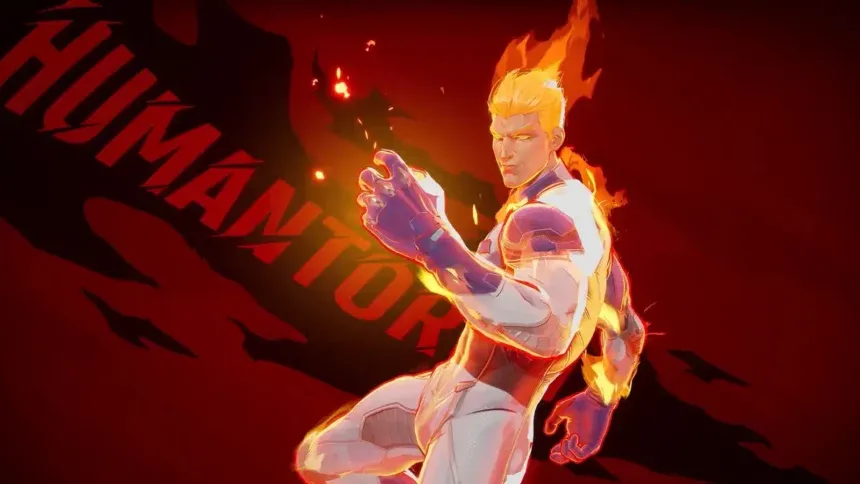
How to Counter Human Torch in Marvel Rivals: Practical Matchup Tips

Few heroes in Marvel Rivals make a fight feel lost as quickly as Human Torch when he gets free air space and an isolated target. For players searching for How to Counter Human Torch in Marvel Rivals, the answer is not blind aim duels but a repeatable plan built on positioning, cooldown tracking, and disciplined team responses. This guide explains why Torch feels oppressive, which heroes and roles answer him best, and how to turn his dive pattern into a punish window.
Why Human Torch Feels Overwhelming (And What Actually Beats Him)
Human Torch wins fights by creating chaos from above, forcing your team to spend defensive resources early, then diving the first low target he sees. That pattern matters because his damage looks unfair only when he controls tempo, and tempo in Marvel Rivals is usually decided by who burns key cooldowns first.
His most common threat patterns are consistent across ranks: aerial poke into a committed dive, side-angle flank burn on supports, and ultimate zoning that splits teams off objective space. A Human Torch with room to hover functions a lot like Iron Man in a favorable lane, except Torch converts chip damage into close-range finishes more aggressively.
The current data context explains why he feels so common in winning lobbies. With a 52.9% win rate and especially punishing matchups into heroes like Spider-Man, Captain America, and Iron Fist, Torch rewards poor spacing and weak team coordination at the same time.
That is why the real answer is not a single counterpick but a principle. Deny his angles, survive the first burst, and punish the exit, because Torch is strongest on entry and much weaker once his path out becomes predictable.
Torch’s Typical Fight Flow to Watch For
Before a fight, Torch usually claims high ground or an air lane for free scouting and poke. That early information advantage is important because it lets him identify who already spent mobility, who is holding a defensive cooldown, and where your backline is exposed.
On engage, he commits only after your team uses shields, cleanse, or movement tools, which is why rushed ability usage makes him look stronger than he is. Against impatient teams, he behaves like a finisher rather than a starter, and that distinction helps you time your peel.
On disengage, he wants to escape upward or around cover, and that is the punish window many teams miss. If you have ever beaten Iron Fist by surviving the first contact and collapsing during retreat, the same logic applies here.
The Two Things Torch Hates Most
Torch hates reliable hitscan or fast projectile pressure because it removes the safety of hovering in open air. A hero like Namor can also make his pathing awkward by forcing respect around contested lanes, which matters more than raw damage numbers.
He also hates hard crowd control and utility that interrupts dives or traps him during recovery. In practical terms, objective control beats flashy chasing, because a Torch denied space has to enter through predictable routes where your team can already be waiting.
Step 1: Identify His Threat Window and Track the Cooldowns That Matter
Treat Human Torch like a cooldown-based diver, not like a permanent aerial raid boss. If he commits and your team survives, the fight often flips immediately because his damage pattern depends on chaining movement and pressure before defenders can reset.
The most important call is whether he still has a clean escape route. Once Torch uses mobility to enter and gets forced low, he often has to land or drift through a narrow lane, and that is where disciplined teams secure kills instead of scattering.
Ultimate tracking matters just as much as basic ability tracking because his area denial can win a fight even without direct eliminations. If you know his ultimate is likely online, pre-position so your team is not forced to split through open ground, which is the same adjustment strong teams make against Scarlet Witch zoning.
Your comms should stay simple and fast. “Torch looking flank,” “Torch no escape,” and “Torch forced low” are high-value calls because they identify his threat window without overloading voice chat.
What to Ping and When
Ping his approach angle before he commits, especially if he is taking a high air lane or a side roof angle. A player on Black Widow or another ranged watch role gains value here by turning information into pre-aim rather than reactive panic.
After he dives, ping the landing spot instead of his current midair position. Teams secure more kills when they collapse on where Torch must go next, not where he was one second ago.
Cooldown Windows You Can Reliably Punish
The first reliable cooldown window appears right after he uses mobility to enter. At that point, a stun, a slow, or concentrated burst is more likely to stick because he has already chosen a lane and cannot instantly reposition again.
The second punish window appears after he spends defensive tools to stay alive. That cooldown window is where many fights are won, because Torch without protection is no longer dictating pace and becomes a normal target with poor margin for error.
Step 2: Pick the Right Counters by Role (Not Just “Best Heroes”)
The best answers to Human Torch are heroes who either hit him consistently in the air or stop his dive with control and peel. That distinction matters because many players confuse hard counters with heroes that merely threaten damage, and Torch often beats pure damage if he gets first contact.
The matchup data strongly favors utility, especially from Strategists. In practice, Strategists make up many of his hardest counters because linear dives lose value when the target gets protected, repositioned, or reset before Torch can finish the kill.
Avoid panic-swapping into melee chasers that Torch already farms. If your answer needs perfect tracking, repeated gap-closing, and no team help, it is not a real answer in ranked conditions.
Strategist Counters: Utility First, Damage Second
Ultron is one of the cleanest counters because he applies consistent pressure while punishing predictable dive paths with control tools and follow-up burst damage. Torch wants isolated targets, and Ultron reduces isolation by making every dive feel contested.
Invisible Woman is equally strong because protection and peel force Torch to overcommit for value. When a Strategist can deny the first burst, Torch often turns from assassin into liability in less than two seconds.
The general rule is simple: pick Strategists with disables, defensive utility, or fight-reset tools. Against Torch, utility scales better than greed.
Vanguard Counters: Make the Dive a Bad Trade
Hulk works because he turns Torch’s preferred skirmish into a messy brawl near the backline, which Torch usually wants to avoid. A forced landing near Hulk is rarely safe, and that changes how aggressively Torch can enter.
Captain America can also work if played as anti-dive peel rather than as a forward-only initiator. When your Vanguard stays close enough to punish the landing, Torch loses the free support access he depends on.
Duelist Counters: Reliable Aim and Air Control
Hela punishes Torch by removing his aerial comfort with direct, repeatable pressure. If Torch cannot peek without losing health, he stops controlling line of sight and starts reacting to yours.
Hawkeye forces respect at long range because every exposed hover becomes a liability. The Punisher is the simpler option for many players, since sustained tracking damage punishes midair drift and predictable exits without requiring fancy setup.
Step 3: Positioning and Vision Control That Stops Torch From Starting Fights
Torch is much weaker when he cannot start fights on his own terms. Good angle control, short sightlines, and early rotations deny him free poke, and that matters because his dive gets far worse when he enters at half confidence instead of full control.
Take his preferred high ground early rather than trying to retake it after he has already farmed damage. In Marvel Rivals, the team that claims vision first usually decides which lane is dangerous, and Torch depends on that uncertainty more than most Duelists.
Someone on your team must own the sky lane every fight. If nobody is watching the off-angle, Torch gets free scouting, free chip, and a free route into your supports.
Crossfire is the cleanest structural answer because two angles make his path predictable. A Torch who has to dodge one shooter can still commit, but a Torch entering a crossfire usually exposes either his entry or his exit.
The Anti-Torch Formation (Simple and Repeatable)
Your backline should play near a corner with one peel buddy close enough to respond instantly. That small adjustment turns a solo dive target into a trap.
One ranged player should anchor a long lane and tag Torch every time he peeks. Your frontline should hold slightly back so it can counter-engage the dive instead of chasing empty space.
Common Map Mistakes Torch Punishes
Standing in open lanes gives him free poke and easy confirms. Stacking too tightly also hands his ultimate maximum value, because spread teams can absorb zoning while clumped teams get split and finished.
Step 4: Teamfight Execution, Peel, Focus Fire, and Burst Timing
Before the fight starts, decide whether your team is peeling Torch or racing the enemy backline. Indecision is the real killer in this matchup, because partial peel and partial dive usually means Torch gets a free target while nobody finishes anything.
Use a simple focus-fire rule: the first player who tags Torch calls him, and everyone adds damage for one to two seconds. That short window matters because Torch often survives scattered fire but dies quickly when burst is synchronized.
Save one hard control tool for the actual commit, not for harmless poke. Teams that throw stuns early often discover that Torch’s real engage arrives five seconds later when no answer is left.
The exit punish is where most kills happen. Torch often survives the entry with momentum, but he dies on the way out when his movement becomes linear and your team finally has clean target access.
Peel Checklist (What Each Role Should Do)
Strategists should protect the dove target first, then disable Torch when he lands. Vanguards should body-block and disrupt without overchasing into enemy follow-up.
Duelists should track his escape line, not just his entry animation. The player who keeps crosshair discipline on the retreat usually secures the elimination.
When to Ignore Torch (Yes, Sometimes)
If Torch is poking safely but not committing, stabilize and win objective space. If you can kill his support faster and still survive his dive, trading up is often the correct call.
Examples: Counter Plans for Common Torch Pairings
The matchup gets harder when Torch is paired with another fast engager or a frontline that forces your formation to break. The good news is that coordination beats perfect mechanics here, because most Torch pairings rely on your team reacting late rather than responding wrong.
Torch vs Spider-Man: Stop the Double-Dive
Against Spider-Man and Human Torch together, play tighter and keep peel for the first diver instead of the louder one. If Spider-Man pulls attention first, Torch usually wants to hit the same target during the scramble, so your ranged anchor should tag Torch midair before he arrives.
After first contact, collapse on whichever diver has no clean exit. Spider-Man often creates the distraction, but Torch is frequently the easier punish if his landing spot is already marked.
Torch With Strong Frontline: Don’t Get Split by Ultimate
When Torch has a durable frontline in front of him, pre-position so his ultimate does not force your team through open space. Holding one disengage or defensive ultimate to reset after the zoning lands is often more valuable than trying to brute-force through it.
During the dive, protect your supports and give ground if needed. After the disengage, retake together, because Torch lineups lose a lot of pressure once the first zoning cycle fails.
Torch in Poke Comps: Win the Angle War
Against poke comps, shorten sightlines and rotate from cover to cover. You want Torch peeking into prepared hitscan pressure, not hovering freely while his team chips from range.
Before contact, assign one player to air-watch and one to lane-watch. After his disengage, push the angle he vacated so he cannot instantly repeat the same setup.
Common Mistakes When Trying to Counter Human Torch
The first mistake is hard-tunneling Torch in the air while ignoring the objective or the enemy flank. Torch wants attention, and if five players stare upward, his team often wins the real fight on the ground.
The second mistake is using stuns and slows too early on poke. If your control lands before Torch commits, you have solved nothing except his timing problem.
The third mistake is chasing upward into bad space. Torch thrives when players leave cover, lose formation, and walk into follow-up damage trying to finish a kill that was only available from the ground.
The fourth mistake is drafting only damage with no peel. Torch is strongest against teams that can shoot him but cannot protect the person he actually dives.
Quick Fixes That Improve Results Immediately
Assign one player to call Torch’s angle every fight. Save one defensive cooldown specifically for his commit, even if that means taking a little poke first.
Key Takeaways: A Simple Counter Checklist
The cleanest anti-Torch plan is structural, not emotional. Deny angles with cover, short sightlines, and early high-ground control, then survive the commit and punish the landing or exit before he resets.
Pick utility whenever possible because Strategists and crowd-control-heavy kits reduce his value more consistently than fragile damage swaps. In Turbosmurfs analysis, this is the kind of matchup where discipline beats hero fantasy, because Torch punishes impatience more than weak mechanics.
Keep comms focused on cooldown windows and burst timing. One clear call and one to two seconds of coordinated fire will win more fights than scattered hero plays.
One-Sentence Game Plan
Make Torch spend mobility to enter, protect the dove target, then collapse when he cannot safely leave.
FAQ
How to counter Human Torch in rivals?
Deny his air angles with cover and ranged pressure, then save one peel or crowd control tool for his dive. Focus fire when he lands or starts disengaging, because that is his weakest moment.
Who can defeat the Human Torch?
Ultron and Invisible Woman are strong answers because utility and peel disrupt his first burst. Hela, Hawkeye, and The Punisher also punish his aerial movement with reliable ranged damage.