The Economics of Assets in Web3 Gaming
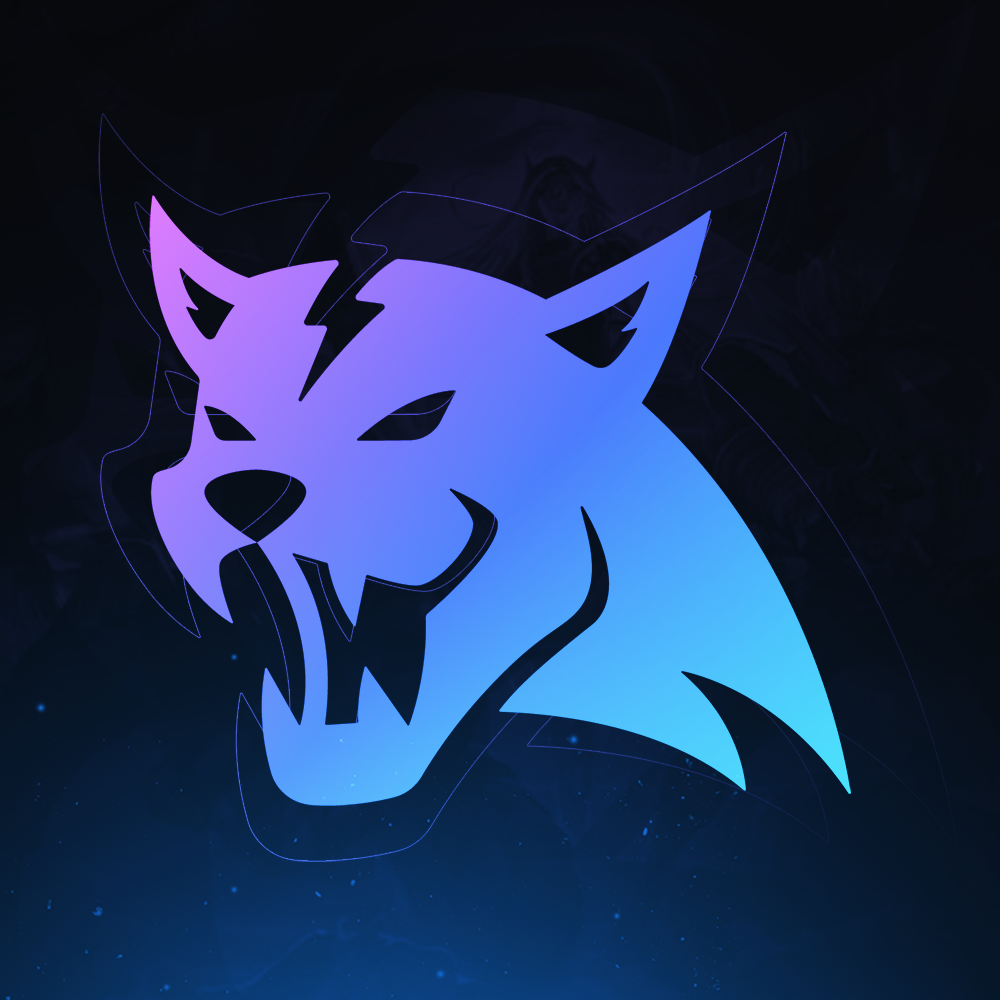
For a long time, the concept of creating web3 games appeared unattainable. Blockchain was perceived by many as a platform for cryptocurrency, trade, and decentralized financial services. Classic shops and applications were linked to games. Today web3 game development is slowly changing how people view digital content. Users see a different logic for owning skins, resources, and characters. No need to stay bound to a specific company's server that might suddenly shut down the game or block your profile. This is exactly what attracts developers.
The topic of economics is usually brought up while discussing games. Developers attempt to monetise the product, players spend money, and marketing seeks to keep viewers. This turns into an ownership arrangement for the player in Web3. Even a bought skin isn't real in typical projects. The user receives nothing, the studio takes it off of the shop tomorrow, and the promised assistance disappears. In Web3 the asset exists as a token. This establishes a clear logic of ownership, but it doesn't automatically improve the game.
Asset Migration and Economic Incentives
The market observes novel situations. Users may sell unnecessary products, game resources can move across platforms, and creators can raise money by selling NFTs or internal tokens. All of this seems sensible. The idea is more akin to an economic space than a one-way shop. If a player invests money, they anticipate some sort of value retention. Although Web3 offers this option, nobody can remove the risks.
Entry Barrier and the Problem of Excess Complexity
Most users, however, would rather not sit down and manually set up a blockchain wallet. Who wants to spend an hour on checks when you can just push Play? Because of this, Web3 developers have to find a balance between complex architecture and user-friendliness. These days, buying a digital hero shouldn't need knowledge of technical details. It needs an easy-to-use interface. If the game doesn't provide this, the gamer won't stay with it.
Balance Between Gaming and Speculation
One unfounded concern is that Web3 would attract speculators rather than gamers. This is a serious issue. The core of the game is lost when players merely come in to resell tokens. This danger has already been identified by developers. Instead of manipulating prices, games are gradually integrating limitations, true progress systems, and incentives for game behaviors.
New Models of Player-Studio Interaction
This is not the only point. A new ecology of audience-studio interaction is made possible by Web3. In the past, users either waited for a fix or posted comments on Steam. They can vote or even use tokens to influence choices on Web3. Some prefer this, particularly in independent small-scale ventures. Large companies will exercise caution, but the trend is clear.
Decentralization and Asset Value Preservation
One thing to consider is the lack of centralized control. A studio may occasionally disappear, yet the game still exists. The user does not immediately lose assets if contracts are in place and the service is offline. This model isn't flawless. It requires technical assistance, audits, and cybersecurity. However, players prefer consistency over an abrupt announcement that the service is shutting down.
Game Quality Still Matters More Than Tokens
Money still remains the key topic. People will invest if they feel it makes sense. Web3 games shouldn't be about investments. They should be games. Story, mechanics, balance, multiplayer, updates. If the product is weak, no token will save it. The market has already seen dozens of projects where the economy was more interesting than gameplay. Nobody returned to them a year later.
Genres, UX, and Minimal Friction
That's why developers look toward classic design. You can take proven genres, add Web3 infrastructure, and not ruin everything with excess complexity. If a user just wants to play, they should get that option. If they want to sell an item, they can do it. This shouldn't be a requirement.
Communities, DAOs, and New Interaction Formats
Moreover, there is the component of community. Guilds, clubs, and internal regulations are made by players. This may become a DAO in Web3. This is now a distinct structure rather than only in-game conversation. Several Asian initiatives demonstrate how it operates in practice. Members arrange events, vote, and distribute funds. This format is not required. Not every participant desires democracy. However, a substitute has emerged.
The Industry Moves From Hype to Stability
The field is still in its infancy. From early trials to stable products, it appears to be undergoing a transformation. Developers wish to integrate blockchain, PC, and mobile markets. To make payments easier, businesses try connection with bank cards. Interfaces are gradually taking on human characteristics. The notion that Web3 games are exclusively designed for cryptocurrency aficionados is out of date.
What Will Happen With Web3 Tomorrow
Whether Web3 will become popular is the question. No one will provide a precise response. However, the present vector works well. Users consider asset ownership, developers prioritize ease, and investors search for long-term models. A new genre of games will enter the market if these three parties are able to strike a balance.
Is there going to be a revolution tomorrow? Not likely. However, we may see typical development. Every year, interfaces get better, genres get more intriguing, and tokenomics ceases to seem questionable. Games will create a steady market if players keep coming back. At that point, Web3 will cease to be a catchphrase and become a standard feature of gaming.