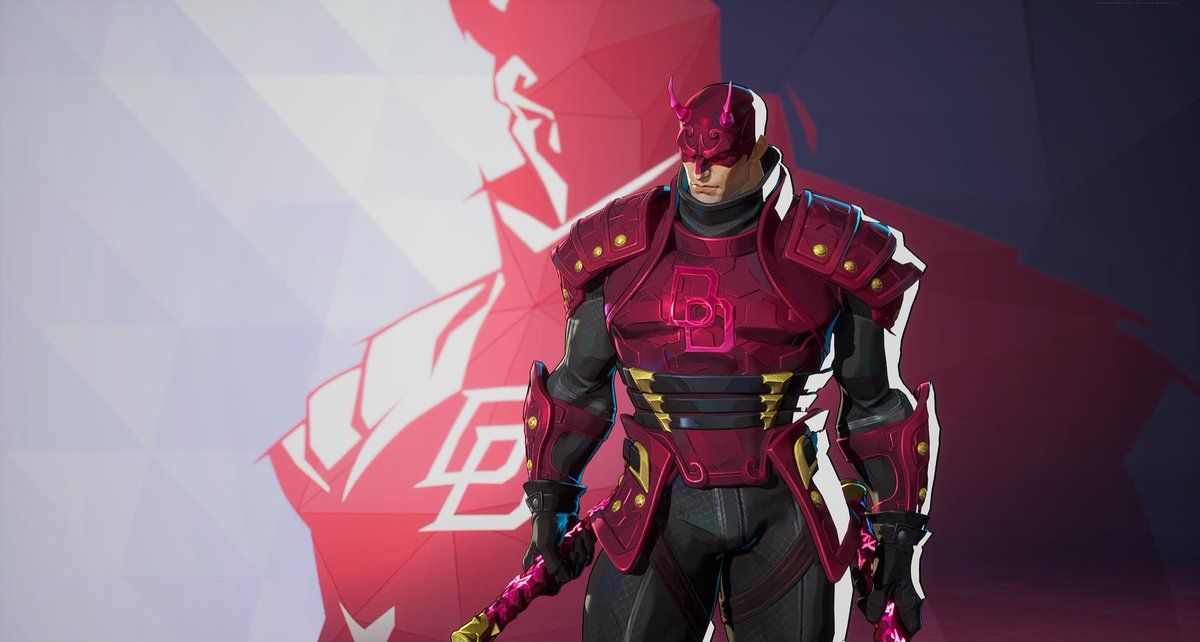
How to Counter Daredevil in Marvel Rivals: Picks, Positioning, and Teamplay
Daredevil isn’t “overpowered” in Marvel Rivals so much as he’s optimized to delete the one thing most teams accidentally offer: an isolated backline target with no peel. If you treat him like a normal flanker and only react after he’s already in melee range, you’ll keep losing the same fight on repeat.
Season 2 matchup data also backs up what good teams feel in-game: Daredevil’s performance swings hard based on whether opponents draft anti-dive tools and play tight spacing. He can post strong results overall, but his worst matchups are ugly when he’s forced to cross open space into ranged pressure and timed crowd control.
Understand What Makes Daredevil Dangerous
Daredevil’s core win condition is fast melee burst damage that deletes isolated backliners before the team can trade. He’s not trying to “brawl,” he’s trying to end the fight in the first 1 to 2 seconds of contact.
His key advantages are mobility, wall-jumping routes, and Radar Sense. The sensing enemies through walls piece matters because it removes guesswork, so he can pick the safest target and timing instead of gambling.
Your counter plan is simple on paper: deny isolation, force him to cross open sightlines, and punish cooldown windows. You rarely out-duel him up close; you out-team and out-space him.
Daredevil’s Usual Engage Pattern
He scouts with Radar Sense, then picks a target that’s alone, low mobility, or already pressured. If your Strategist is healing from a “safe” corner that your team cannot see, that’s usually his first look.
He commits with movement tech and wall routes to avoid predictable line-of-sight. The goal is to appear at melee distance without eating the mid-range damage that should normally stop a dive.
Common Mistake: Treating Him Like a Standard Flanker
He can start fights from odd angles and tighter timings than many Duelist heroes. Wall-jumping compresses his approach time, so “I’ll see him coming” is not a plan.
If you only react after he’s in melee range, it’s already a losing trade. At that point you’re playing his game: short-range combo pressure with Fury spikes.
Counter Principles That Work in Any Composition
Play “two-by-two.” Avoid solo lanes and keep a peel partner within quick line-of-sight so a dive instantly becomes a 2v1 against him.
Hold hard crowd control for his commit, not his poke or approach. A stun or knockback that lands after he’s already started his combo is worth more than three panic abilities thrown early.
Keep mid-range spacing: far enough to deny melee chains, close enough to instantly trade damage. If you’re too far, you cannot punish; if you’re too close, you feed his burst window.
Track his cooldowns and re-engage only after he’s forced to reset. Daredevil without mobility is a different hero, and cooldown vulnerability is where you actually win team fights against him.
Spacing Rules for Backliners
Anchor near cover so you can break line-of-sight and force him to overextend. Cover also breaks his clean combo flow, because he has to reposition instead of continuing the chain.
Stand where allies can see you; “safe” positions are the ones your team can shoot. If your teammates can’t maintain crossfire on your location, you’re not safe, you’re just hidden.
Cooldown Discipline: When to Use CC
Save stuns, knockbacks, and roots for the moment he commits to a target. If he’s still fishing, let him waste time and reveal his route.
Chain CC with focus fire. Partial answers let him slip out, reset, then re-dive on the same timer.
Best Counter Picks and Why They Work
Prioritize range, burst, and reliable CC, especially heroes that punish short-range commits. Your goal is to make his dive cost health on entry and cost cooldowns on exit.
Season 2 matchup data points to Iron Man, Storm, and Hulk as consistent problems for Daredevil. In the Turbosmurfs dataset context (4,962 matches referenced), Iron Man shows up as the toughest counter, with Daredevil winning only about 25% into that matchup and a large negative win rate differential.
Pick anti-dive kits over “mirror duel” kits unless you are confident in mechanics and your team will follow up. A clean counter is one that works even when comms are light.
Match your pick to your role: Duelists punish, Vanguards disrupt, Strategists peel and stabilize. That division of labor is how you stop him without turning every fight into chaos.
Top Data Counters to Start With
Iron Man applies consistent ranged pressure that forces Daredevil to cross open space and take damage. If Daredevil blocks early to survive, he often arrives with fewer options for the real commit.
Storm brings zone control and sustained damage that punishes predictable dive paths. Her ability to make areas “bad” to stand in also disrupts wall-route exits.
Hulk disrupts dives, soaks the initial burst, and creates space for your backline. He turns Daredevil’s favorite 1v1 into an ugly, slow fight where Daredevil gets shot.
Other Reliable Anti-Dive Options (Community + Practical Play)
Scarlet Witch can punish the commit with burst and threat range, which deters repeat dives once Daredevil has been forced to block or retreat. She’s strongest when your team is ready to shoot the same target you pressure.
Winter Soldier brings mid-range damage and control tools that help lock Daredevil down during the commit. He also benefits from predictable dive timing, since Daredevil tends to re-enter on a rhythm.
Wolverine and Spider-Man can contest him if your team is ready to follow up, but they are riskier in solo plays. If your follow-up is late, you end up taking a melee trade on Daredevil’s terms.
Hawkeye is situational but valuable when your team already plays crossfire well. His value spikes when you can hold long sightlines that Daredevil must cross to reach the objective.
Strategist Picks That Make Diving Miserable
Luna Snow has peel tools and survivability that help you live through first contact and flip the fight. Surviving the first second is often the entire matchup.
Squirrel Girl brings control and area denial that can stop clean entries and punish resets. She’s also good at making exit routes uncomfortable, which is where many teams fail to secure value.
Role-by-Role Game Plan Against Daredevil
Each role needs a simple job: deny angles, survive the first burst, and punish the exit. If everyone tries to do everything, you get a scramble and Daredevil thrives in scrambles.
Crossfire matters more than raw damage. Daredevil hates entering into multiple guns, because it turns his “fast kill” bet into a losing trade.
Trade resources on purpose: if he forces two defensive cooldowns but gets no kill, you’re ahead. Winning the interaction can look like “he left at half HP and we kept the point,” even if he doesn’t die.
If You’re a Duelist
Hold a mid-range lane and pre-aim likely wall routes and corners. You are not waiting to see him, you are waiting to punish the most common entry path.
Don’t chase into tight spaces; force him back into open sightlines. Your job is to make him retreat through a place where your team can shoot.
If You’re a Vanguard
Mark his entry and be ready to body-block for your Strategist or ranged DPS. Even one step of body-blocking can break his combo timing.
Use displacement to deny clean resets. A knockback that pushes him off an exit corner often does more than raw damage.
If You’re a Strategist
Position where you can peel without stepping into melee range. If your “peel” requires walking toward Daredevil, you’re donating value.
Call targets early: “Daredevil in, CC ready” beats reactive healing every time. Your team needs one second of warning to hold stun and aim.
Positioning and Map Control: Deny the Wall Routes
Daredevil thrives on short, protected paths, so your job is to make paths long and visible. If he must cross a lane where three players can see him, his dive becomes expensive.
Control corners and choke exits so his retreat is punishable. Most teams only watch the entry, then stop shooting when he leaves.
Use vision control and sound discipline: call missing, mark likely flank timings, and hold crossfires. Radar Sense gives him information, so you must win with structure.
Play around objective timing because he’s strongest when teams are scattered during rotations. If you trickle onto point one by one, you are feeding his win condition.
Where to Stand to Avoid Getting Isolated
Avoid deep off-angles without a second teammate or an escape tool. If you cannot be traded in under a second, you are a dive target.
Anchor near teammates who can instantly turn and shoot your attacker. “Close enough to help” means line-of-sight, not just distance on the minimap.
How to Set a “Trap” Without Overcommitting
Bait with a durable target while backline holds CC and burst for the commit. Hulk or another Vanguard showing first is often enough to tempt an impatient Daredevil.
Let him enter first; punish the exit route rather than chasing into his comfort zone. If he wants a corner fight, deny it and shoot him as he leaves it.
Timing Windows: How to Punish His Cooldowns and Fury Combos
His threat spike is the moment he starts a combo chain, because he’s betting on a fast kill. Many Daredevils will funnel Fury into a sequence like The Devil’s Catch into Righteous Cross into Infernal Fury to end the target before peel arrives.
Survive the first 1 to 2 seconds with peel and movement, then turn with focus fire. If you live, he often has to block, spend mobility, or disengage.
Force him to spend mobility defensively. A retreating Daredevil is a low-impact Daredevil, and he can’t create pressure while he’s resetting.
Track repeat patterns. A lot of Daredevils re-dive on the same timer after a reset, especially if they forced a cooldown last time.
Break the Combo Chain
Stun or knockback mid-chain to waste his commit and stop follow-through damage. The best CC lands after he has “entered the room,” not while he is still traveling.
If CC is down, use cover to cut the chain and force a target swap. Breaking line-of-sight can be enough to make his combo fizzle.
Punish the Reset
Don’t tunnel the entry; watch the exit and punish when he’s low and leaving. This is where Iron Man and Storm farm value, because they keep damage on him as he tries to escape.
If he escapes, take space and objective progress. Denying the next clean dive is often better than sprinting into a corridor to finish a kill.
Examples: Practical Fight Scenarios and Callouts
These micro-scenarios match the way most Daredevil dives actually happen in solo queue and organized team fights. The goal is minimal communication that still creates a coordinated answer.
The mindset is “trade up.” Forcing him out, burning his cooldowns, or making him block early is a win if you keep tempo and maintain objective control.
If you want more matchup breakdowns like this, link your team to a short internal note such as a Marvel Rivals counter-pick cheat sheet and a team positioning basics primer so everyone uses the same language.
Solo Queue Example: Survive, Then Turn
You’re Luna Snow on defense and Daredevil disappears from the main lane. You back up to cover, ping his likely flank, and keep your peel tool ready instead of spending it on poke.
He commits onto you, you use one defensive tool to live, then step so your team has line-of-sight on your position. The moment he’s committed, you call or ping “Daredevil on me,” your Duelist turns, and he has to retreat through open space while taking focus fire.
Team Example: Peel Pair + Crossfire
Before the fight starts, you assign a peel partner to your Strategist, usually a Vanguard or a mid-range Duelist. You also decide who holds the first stun and who holds the follow-up knockback.
Daredevil dives, the team does not panic-CC on approach, and you wait for the commit animation into melee range. You chain CC, burst him, then keep crossfire on the exit corner so he cannot reset for free.
Common Mistakes That Make Daredevil Look Unstoppable
Using CC too early on approach leaves nothing for the actual commit. He will simply wall-jump again, then dive when you’re empty.
Taking isolated off-angles without a peel plan or escape route is the fastest way to inflate his win rate against your team. If you want an off-angle, bring a partner or pick a hero with a real exit.
Chasing into tight corridors and corners is donating melee trades. Daredevil wants you to follow him into a space where your ranged advantage disappears.
Ignoring matchup reality is another common throw. If you lock heroes he farms and refuse to adjust, you are choosing to play into his best conditions.
The “Hero Duel” Trap
Trying to 1v1 him in melee range usually feeds his win condition. Even if you trade kills, you often lose the objective because your backline collapses.
Better play is to force him into crossfire and make him pay for every step forward. You win by making his dives expensive and his resets unsafe.
Over-Rotating to Help
Sending too many players to chase him opens the objective and collapses your formation. Daredevil is happy if three people abandon point to hunt him.
Stabilize first, then take space. One clean peel plus focus fire is enough; everything else should keep the team fight intact.
FAQ
What to do against Daredevil in Marvel Rivals?
Stay paired, hold your crowd control for his commit, and force him to cross open sightlines where your team can focus him down. Play near cover, keep line-of-sight with teammates, and avoid solo lanes that let him start a clean dive.
Who can defeat Daredevil?
Reliable anti-dive counter picks with range, zoning, or disruption tend to perform well, especially Iron Man, Storm, and Hulk. They work best when your team follows up quickly, because Daredevil is fragile when caught and hates sustained crossfire.
What is Daredevil’s weakness?
He struggles into ranged pressure, coordinated focus fire, and well-timed stun or knockback during his combo commit. He also has clear cooldown vulnerability, so once his mobility is spent defensively, his impact drops sharply.
What can Daredevil block in Marvel Rivals?
His defensive tools can mitigate incoming damage during certain windows, which can save him on entry. He loses value when forced to block early, then gets controlled during the real commit and cannot finish the combo or reset cleanly.
Key Takeaways: Your Anti-Daredevil Checklist
Stay paired, hold crossfires, and don’t offer isolated targets. The easiest way to beat Daredevil is to remove the 1v1 he’s hunting.
Save CC for the commit and chain it with burst damage. A late stun with team follow-up is better than early poke control.
Pick range, zone, and anti-dive tools, with Iron Man, Storm, and Hulk as strong starting points from Season 2 matchup data. If your comp lacks peel, fix that before blaming mechanics.
Win by denying resets: punish exits, take space, and keep objective tempo. If he leaves and your team gains ground, you won the exchange.
30-Second Pre-Fight Plan
Decide who peels and who holds CC before the next engage. One player calls “hold stun” so it doesn’t get wasted.
Set positions that keep backliners in sight and away from tight corners. If Daredevil dives, your whole plan should be: live the first second, then turn the crossfire on.