A Simple Guide to Watching and Analyzing Professional Matches

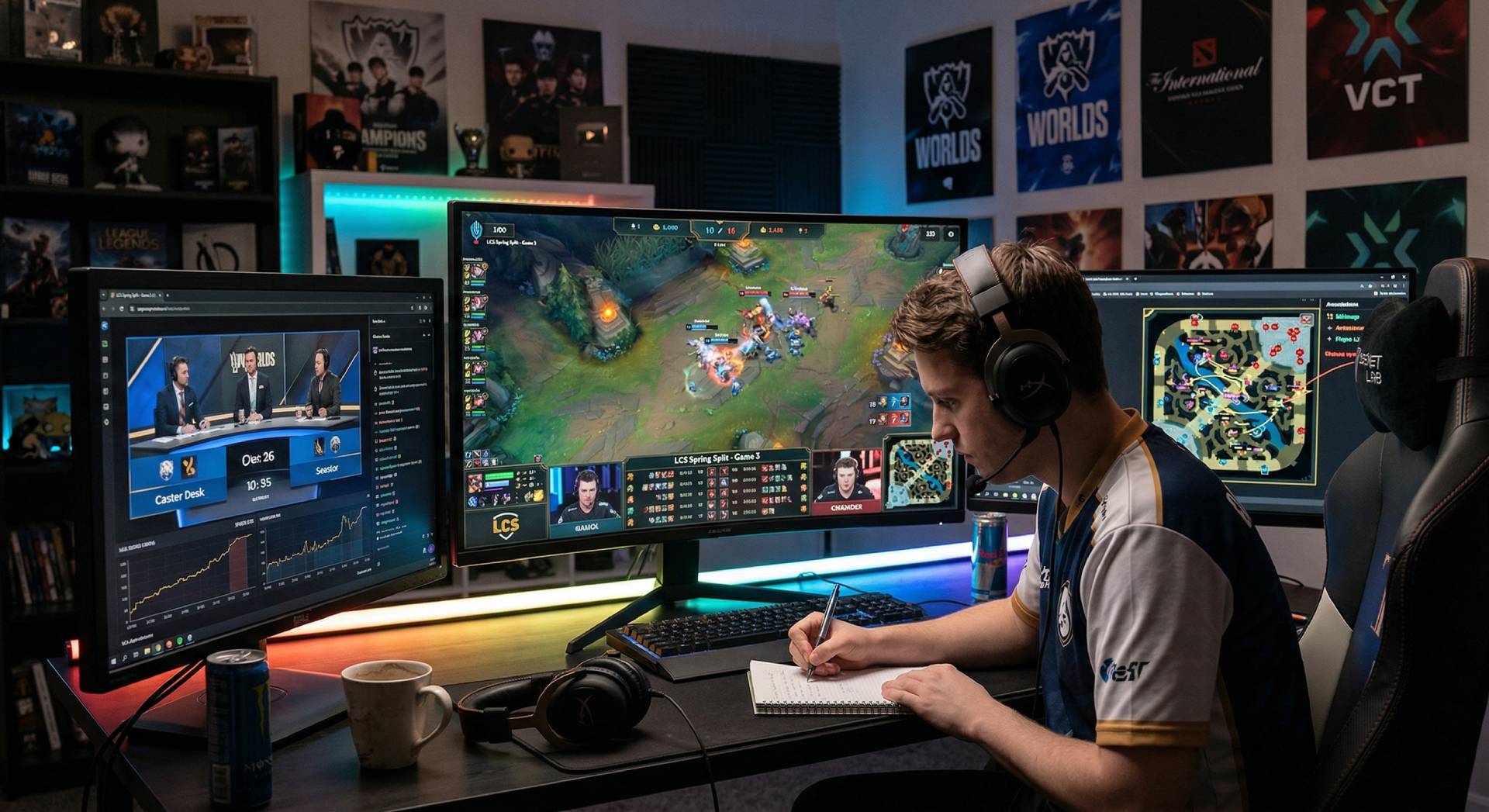
Watching esports tournaments has long ceased to be just weekend entertainment. Many viewers want not only to cheer for their favorite rosters but also to deeply understand the logic behind what is happening on the screen. An analytical approach to matches helps to adopt tactical methods and improve your own gaming skills. In this material, I will structure the basic principles that will help turn ordinary broadcast viewing into a useful analysis. This algorithm of actions will work for both fast-paced shooters and complex tactical strategies.
Preparation and Information Gathering
My approach to analytics begins long before the start of the broadcast itself. Before watching any important match, it is necessary to carefully study the current context of the tournament and the form of the participants. Blindly watching the screen rarely brings practical benefits if there is no understanding of the teams' tournament motivation. Dry statistics and the history of head-to-head matchups often provide much more understanding of the upcoming drafts than the casters' comments on the stream. Knowing which of the players is at the peak of their individual form allows you to evaluate the distribution of resources on the map in a completely different way.
For a high-quality analysis, it is required to operate with fresh data and the teams' positions in the global hierarchy. If you open an up-to-date lol pro teams ranking before the start of the series, you can evaluate the real favorite in advance and without emotion. This basic action helps to understand who to expect a reliable defensive game from, and who to expect non-standard tactical decisions and risky prepared strategies from. Understanding the global balance of power is the very foundation on which all further analysis of a specific matchup is built.
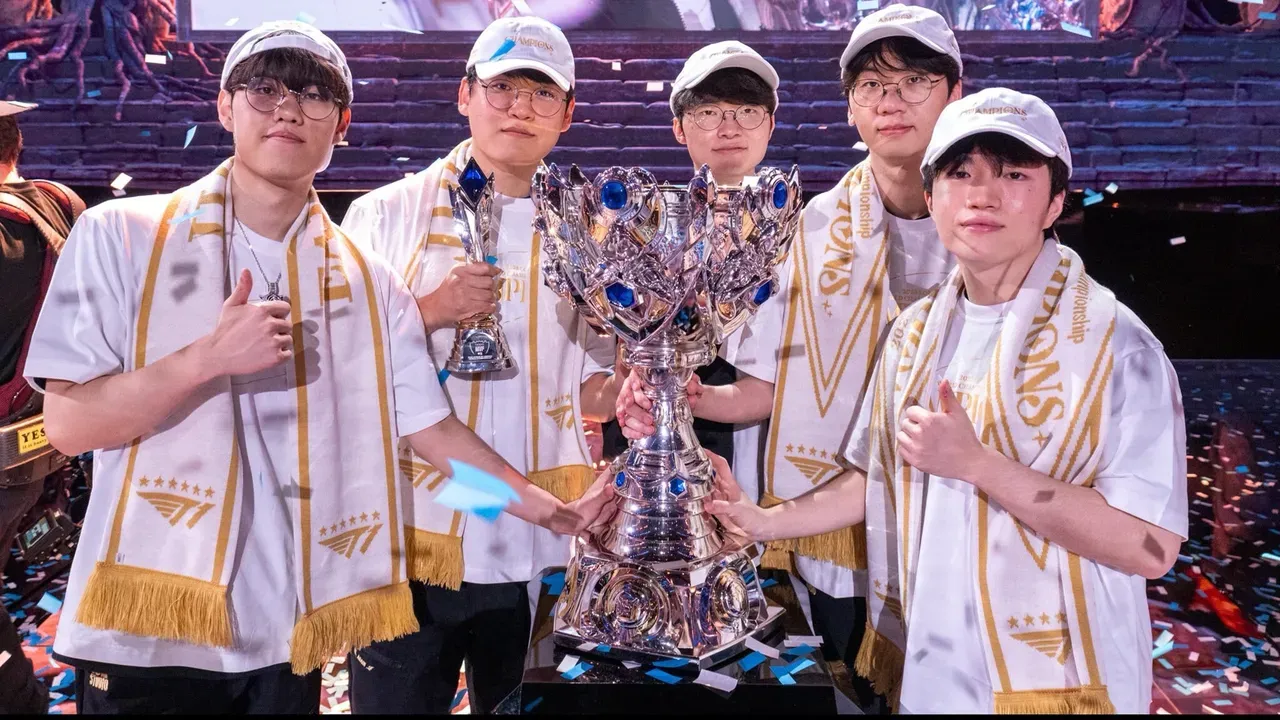
The practical benefit of such preparation is clearly visible even at the character selection stage. For example, in League of Legends, prior knowledge of a specific player's high win rate on a signature champion immediately explains the entire hidden logic of the ban phase. Questions about non-standard bans disappear, and the coach's clear game plan emerges. This preparatory stage sets the right focus for all subsequent viewing and shifts attention from emotions to the pure execution of the intended strategy.
Focus on Macro Game, Not Mechanics
During a live broadcast of a major tournament, the director's work is structured so that the viewers' eyes automatically catch beautiful kills and incredible mechanical outplays. Naturally, there is a temptation to evaluate the skill of esports athletes solely by their reflexes and aiming accuracy. However, my approach to match analysis relies on the fact that the foundation of victory lies in a completely different dimension. True and deep analysis requires shifting the focus from individual execution to global map movements, strict control of neutral objectives, and proper distribution of the team economy.
An excellent illustration of this principle is the professional CS2 scene. To an average viewer, it seems that a spectacular round is won at the moment of a phenomenally accurate sniper rifle shot or a series of quick headshots when entering a site. The reality is that the outcome of a firefight is determined long before the enemy appears on the screen - at the stage of preliminary verified grenade throws, information gathering, and tactical occupation of key positions. It is the competent macro decisions of the captain and synchronous map rotations that create the very positional advantage, which is then realized by the players into a beautiful highlight.
An absolutely similar situation can be observed in the MOBA genre. In competitive Dota 2, a timely team smoke gank with the right timing or flawless Roshan control decides the outcome of the entire map with a much higher probability than perfect individual button pressing during the laning stage. A global vision of the game is primary in professional analysis. Therefore, conscious observation of the minimap should take the analyst no less, and often even more time, than watching the main screen with flying spells. This is the only way to track the true reason for a won or lost large-scale battle.
Analyzing Communication and Positioning
Professional teams act as a single, well-coordinated mechanism. While we cannot hear their internal voice chat, the quality of their communication is clear through their synchronous actions. When analyzing matches, it is critical to observe the synergy in large-scale battles. Pay close attention to how supports position themselves to cover vulnerable carries and what non-obvious timings initiators choose to start a favorable fight.
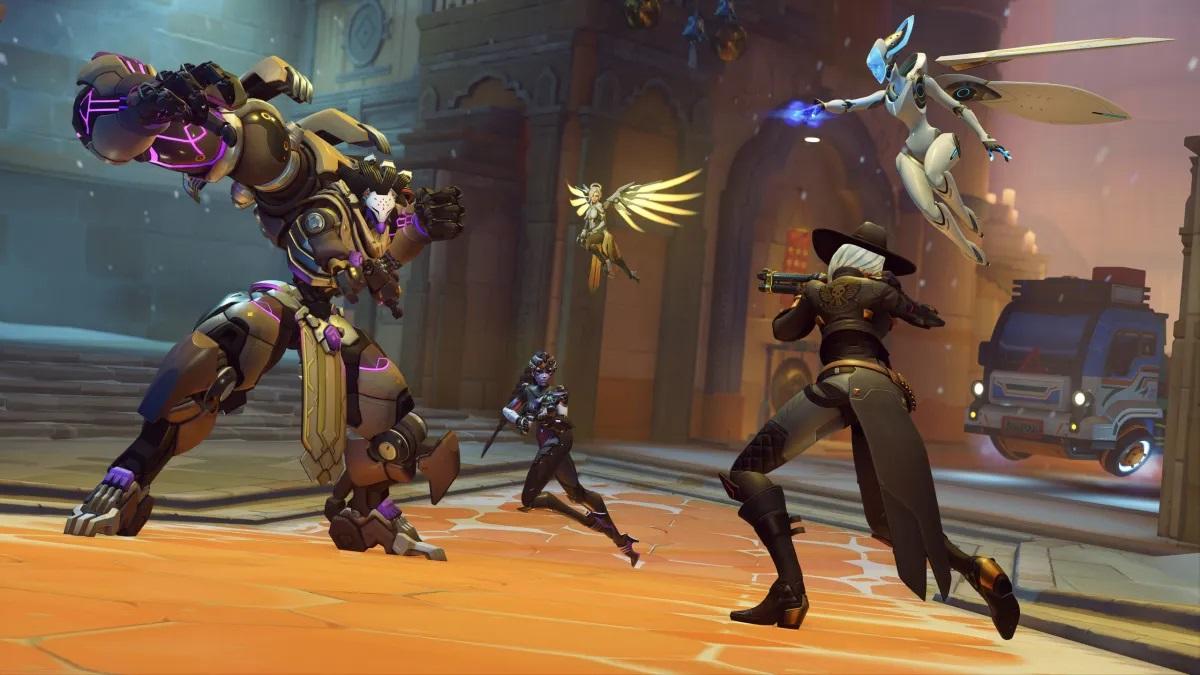
The cost of positioning is incredibly high, especially in fast-paced shooters like Overwatch 2. A single mistake by the main tank often leads to an instant team fight defeat. The frontline player sets the pace and creates space; if they disconnect from healers or fight in disadvantageous geometry, the entire defensive structure collapses. Detailed analysis clearly shows how territory is won through these movements.
My method for a deep dive is to artificially narrow the visual focus. When watching replays, I select one player in a specific role and follow only their micro-movements for several minutes. This provides a clear understanding of how a pro adapts to constant pressure. It reveals how they balance aggression based on the positions and available abilities of their allies.
Finding and Analyzing Mistakes
No esports roster plays flawlessly. Noticing others' positional or macro-mistakes develops your understanding of the server's balance of power. During analysis, it is critical to find the turning points where a dominating team loses its advantage. My method is to rewind the recording to find the true root cause of the failure, which often occurs long before the fatal firefight.
Valorant is an excellent testing ground for finding non-obvious mistakes. A classic failure here is unjustified aggression from defenders with a numerical advantage. Instead of locking down zones, they take unnecessary duels and give away a won round. Another destructive blunder is the chaotic use of ultimate abilities during a site retake, wasting resources gathered over several rounds due to poor coordination.
Analyzing these scenarios shows how disciplined opponents punish mistakes. Watching a single micro-mistake ruin a team's economy forces you to reconsider your gameplay. This analysis works perfectly for the long term, systematically forming the habit of playing reliably and avoiding risky, spontaneous decisions in your own ranked matches.
Conclusion
A competent analysis of professional matches requires serious concentration and a readiness to delve into non-obvious details. The transition from a passive viewer to a thoughtful analyst happens gradually, through regular practice. Studying statistics, focusing on the macro game, and a detailed breakdown of team interactions open up a completely new layer of understanding esports. This skill not only makes watching tournaments a more engaging process but also directly translates into improved personal results on the server.