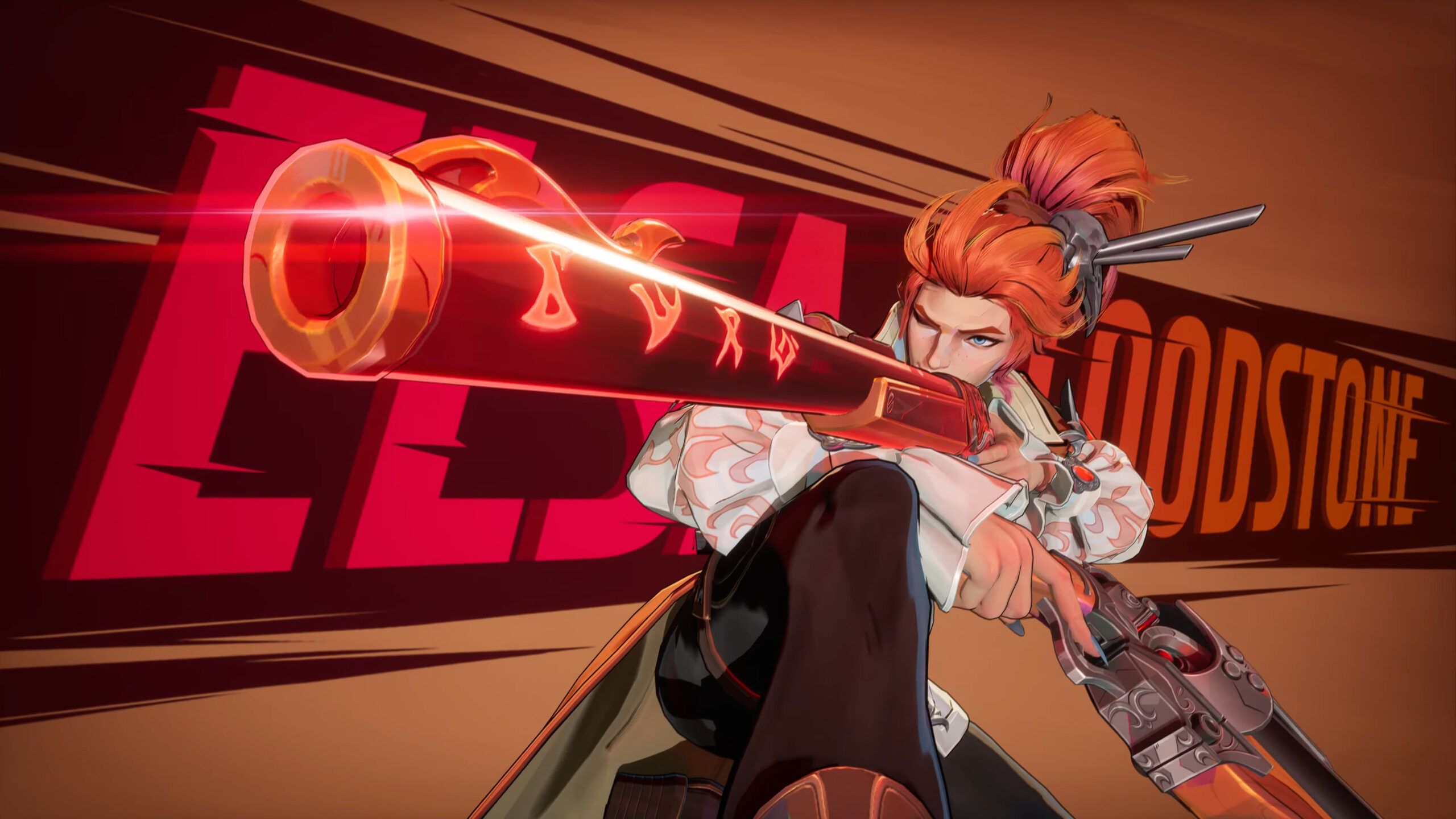
How to Counter Elsa Bloodstone in Marvel Rivals: Picks, Positioning, and Teamplay

Elsa Bloodstone is sitting around a 53.1% win rate in Marvel Rivals because she converts small mistakes into fast picks, then snowballs the next fight with ultimate pressure.
If she keeps getting “free” mid-range shots while your team trickles in, she will feel uncounterable, even when your comp is technically fine.
Understand What Makes Elsa Bloodstone Hard to Deal With
Elsa’s win-condition is consistent mid-range pressure that forces bad movement, plus a fight-swinging ultimate if nobody preps a response.
She often feels impossible to deal with because she punishes predictable strafes, repeat-peeks, and isolated targets that cannot be traded.
Set expectations early: you usually reduce her value through focus windows and team coordination, not through a single hard counter that deletes her every fight.
Elsa’s Typical Game Plan in Ranked Fights
She farms angles, tags anyone who shows shoulder, and waits for the moment your backline is exposed or your Vanguard steps away from peel range.
Her best fights happen when your team splits into two lanes and cannot trade onto her quickly, so she gets damage without risk and resets for free.
Key Weakness Profile to Target
Elsa is most vulnerable to burst damage and coordinated dives when her defensive tools are down and she cannot safely reset her position.
She also struggles when you deny sightlines and force close, messy brawls where crossfire breaks down and her tracking gets disrupted.
Counter-Pick Priorities: What to Play Into Elsa
If you want “data-driven” counter picks, start with matchup tables and tier rating discussions from places like rivalsmeta.com, metabot.gg, and community threads on r/rivals, then sanity-check them with your own VODs.
Across most ranked samples, Duelists that can contest her range or force her off angles with mobility and displacement tend to outperform slow poke comps that feed her peeks.
Avoid feeding her best matchups, because some heroes give Elsa clean punish windows even when you “play safe” on paper.
Best Counter Picks (Most Reliable)
Hawkeye is the cleanest answer when you want to fight her honestly at similar distances, because he punishes predictable strafes and forces her to respect peeks.
Hulk flips her “safe” off-angle into a brawl by closing distance, disrupting her aim, and turning her retreat path into a liability.
Mantis is the glue pick that makes your focus windows real, because she enables burst timing, adds control for peel, and helps your team survive the opening seconds of Elsa pressure.
For context, some datasets show Hawkeye performing extremely well into Elsa, with a reported 26.9% win rate against Elsa in certain matchup slices, which usually signals either a strongly Elsa-favored environment or a skewed sample.
Use numbers as a directional signal, not gospel, and compare them across sources like marvelrivals.gg and community trackers such as Turbosmurfs’ compiled spreadsheets when they share them.
Picks to Avoid (Elsa-Favored Matchups)
Black Widow is high risk into Elsa’s pressure, because re-peeking to finish a duel often turns into a free punish for Elsa, especially when you are forced to reposition through open lanes.
Peni Parker can get overwhelmed if her set-ups are cleared and your team cannot hold space long enough to keep Elsa out of your backline sightlines.
Deadpool frequently gives Elsa clean punish windows when he overextends for a finish, because his commit timing is readable and his retreat can be tracked through common lanes.
If you want a blunt stat to keep you honest, Elsa has been reported with an 81.3% win rate versus Black Widow in some tracked pools, which is exactly the kind of matchup reality that makes her feel oppressive.
Positioning Rules That Consistently Reduce Elsa’s Value
Deny long sightlines by rotating through cover, breaking line-of-sight on purpose, and refusing to repeat-peek the same angle after taking damage.
Hold “tradeable” spacing, meaning if Elsa commits on one target, your team is close enough to punish immediately instead of watching a teammate die from across the map.
Force her to shoot through chaos by closing distance with layered pressure rather than slow, linear pushes that give her clean tracking time.
Angle Discipline: How to Stop Getting Picked
Use off-angles briefly, then relocate, because staying still to “finish a clip” is how Elsa gets easy head-level tracking.
Cross open areas together or with mobility tools, not one-by-one, because staggered crossings are basically a highlight reel for her.
If you want a simple rule that works in solo queue, treat every long lane like it is trapped until you have vision control or a tank body in front of you.
Backline Safety Checklist
Keep Strategists within peel range of a Vanguard or a mobile Duelist, because Elsa’s best value often comes from punishing a support that panics and runs.
Pre-plan retreat cover before the fight starts, so her pressure does not force straight-line dodges through open lanes.
If your backline must rotate, rotate early, rotate together, and rotate behind something solid, even if it costs you two seconds of objective uptime.
Cooldown Tracking: Create a Repeatable Kill Window
Treat the matchup like a timer: bait her key abilities, then commit during the downtime with hard focus and burst damage.
Your comms do not need to be fancy, but they do need to be specific, like “Elsa isolated left,” “Elsa no escape,” or “Elsa no defensive.”
Punish her reload or commit moments with synchronized burst instead of staggered poke, because poke just feeds her tempo and encourages her to hold the same angle.
How to Bait Without Inting
Show presence from cover to draw a response, then hard swing with two players while the first player stays safe and blocks return fire.
Use a durable hero, often your Hulk or another Vanguard, to absorb the first commit while your DPS holds burst for the moment she is forced to stand and shoot.
If you are the bait, your job is not to win the duel, it is to force her to reveal position and spend something that makes her punishable.
Simple Team Combos That Work
Displacement or engage first, burst second, then cut off her retreat route so she cannot reset to the next off-angle.
Save one mobility or control tool specifically to stop her escape, because most failed collapses happen when Elsa gets to walk away at 30% HP.
A reliable pattern is Hulk engages to break her aim, Hawkeye holds the exit angle to punish the retreat, and Mantis times control and healing so your team can stay mobile through the first exchange.
How to Survive and Neutralize Elsa’s Ultimate
Do not try to “out-aim” her ultimate, because the ult is designed to punish anyone who stays in the open and takes a fair fight.
Break line-of-sight immediately, spread out to reduce multi-target value, then re-engage after it ends when she is often exposed and out of position.
Pre-position before the fight, because if you wait until the ultimate starts, you are already late and your dodge options are limited to panic movement.
Assign responsibilities so your response is automatic: one player marks Elsa, one peels the backline, and one calls timing and ult economy.
Immediate Response Plan (First 3 Seconds)
Hard disengage behind cover and avoid running in straight lines through open lanes, because Elsa farms straight-line retreats.
Use defensive cooldowns proactively, not at 10% HP, because late buttons usually turn into a stagger death that ruins your next fight.
If you are the marked player, stop shooting for a moment and prioritize survival, because staying alive denies her the ult’s main payoff.
Re-Engage Timing After the Ult
Once her ult pressure ends, collapse with numbers, because she often used positioning to start the ult and is now far from peel.
Convert survival into an objective swing by taking space while she resets, since a forced reset is often better than a kill if it wins the point.
Call the re-engage clearly, because half-commits after the ult are how teams lose the “free” window they just earned.
Micro Tips: Movement, Duels, and Map Control
Strafe unpredictably and vary jump timing, because rhythmic movement patterns are exactly what Elsa wants at mid-range.
Use verticality to break her tracking and force aim adjustments, because even a small height change can ruin her follow-up shots.
Win vision control by clearing common perches and keeping tabs on her reposition routes, since Elsa’s damage spikes when she is allowed to set up unseen.
If you want a quick routine, check one high perch, clear one long lane, then take a corner that lets you instantly break line-of-sight when pressured.
1v1 Rules Against Elsa
Do not take extended fair duels at her preferred range, so either close fast with mobility or disengage and reset the angle.
If you must peek, do it once with intent, commit burst, then relocate, because the second peek is where she pre-aims and wins.
If you lose the first trade, do not ego re-peek, because giving her a clean finish is worse than giving up five meters of space.
Objective Fights: Where Elsa Usually Farms Value
She looks for crossfires on entrances, so rotate to deny her clean approach angles rather than funneling through the same doorway repeatedly.
Hold corners that let you instantly break line-of-sight when pressured, because corners turn her sustained damage into a short, manageable burst.
If your team is stuck in a choke, send one player to threaten her off-angle, because removing her crossfire often matters more than dealing 5% poke to the frontline.
Example Game Plans (Solo Queue vs Coordinated Stack)
Solo queue works when you simplify to two rules: do not feed angles, and collapse when she commits.
Coordinated stacks can go further by assigning a dedicated marker and running set engages that force her off high-value positions before she gets comfortable.
Use quick, repeatable comms that non-premades understand, even if they never speak back, because pings plus one clear call often beats five people doing their own thing.
Solo Queue: Minimal-Comms Approach
Ping her location early and often, because the biggest solo queue failure is that nobody knows where Elsa is until someone dies.
Call “focus Elsa” only when you can actually reach her, because empty focus calls train your team to ignore you.
Play for trades: if she kills one, your team must secure the return kill, because trading keeps her from rolling the next fight with tempo and ult economy.
If you want extra help, scan matchup notes and positioning clips on marvelrivals.gg, then compare what you see with current discussions on r/rivals to spot which angles are being abused on your map pool.
Coordinated Team: Structured Focus Windows
Run a 2-player dive with a third holding the exit angle, because most Elsas survive by slipping out the moment the dive arrives.
Track ult economy and plan a defensive response before she has ult, because “we’ll deal with it when it happens” usually means you deal with it while dying.
If your group uses tools like metabot.gg to review fights, tag the timestamps where Elsa gets two uncontested peeks in a row, because that is usually the real mistake, not the final kill.
Common Mistakes That Make Elsa Look Overpowered
Repeat-peeking the same angle after taking damage is the fastest way to donate kills, because she is already pre-aimed and waiting.
Staggering into her one-by-one instead of grouping for a decisive collapse turns her mid-range pressure into a constant 5v4.
Ignoring matchup reality by locking heroes she hard-farms, then forcing fair duels, makes the game feel rigged when it is mostly decision-making.
If you want a reality check, compare your personal results to community tier rating chatter, then verify with win rate and matchup tables on rivalsmeta.com or community compilations from Turbosmurfs.
Mistake Fixes You Can Apply Next Match
Rotate after every burst exchange and treat your position like a consumable resource, because staying in the same spot is how she learns your timing.
Save one cooldown specifically for escape or peel when her ultimate is online, because that single button often determines whether the ult becomes a wipe or a whiff.
If your team keeps splitting, pick one teammate and mirror them, because two players moving together instantly creates tradeable spacing.
FAQ
What are Elsa Bloodstone’s weaknesses?
Her biggest weaknesses show up when you deny sightlines, force close-range chaos, and hit coordinated burst windows after her key cooldowns are used.
She is also less effective when you maintain vision control on her common perches and refuse to give her repeat-peeks on the same lane.
How to counter Elsa in Bloodstone ult?
Break line-of-sight immediately, spread out to reduce multi-target value, and use defensive cooldowns early rather than waiting until you are nearly down.
When the ult ends, collapse with numbers, because she is often exposed after committing to a forward angle to start it.
Who counters Elsa?
Data-driven matchups often point to Duelists like Hawkeye that can contest her range, plus disruptive divers like Hulk that force her off angles.
Mantis is a strong enabler because she creates safer focus windows with control and peel timing, which is what turns “pressure” into an actual kill.
Will Elsa Bloodstone be nerfed?
Maybe, but balance changes depend on developer patches, not frustration levels in ranked.
Track official patch notes and high-rank meta data, then compare trends in win rate and pick rate on sites like marvelrivals.gg and rivalsmeta.com before assuming a nerf is guaranteed.
Recommended Next Steps for Improving Your Elsa Matchup
If you want the fastest improvement, review one replay and mark every time you died after a second peek, because that pattern alone accounts for a huge share of Elsa deaths.
Then build a simple plan: deny her first sightline, stay mobile through cover, and hard focus only when your team can actually trade and finish the kill.