The Culture of Scrims, Practice Lobbies, and Private Matches

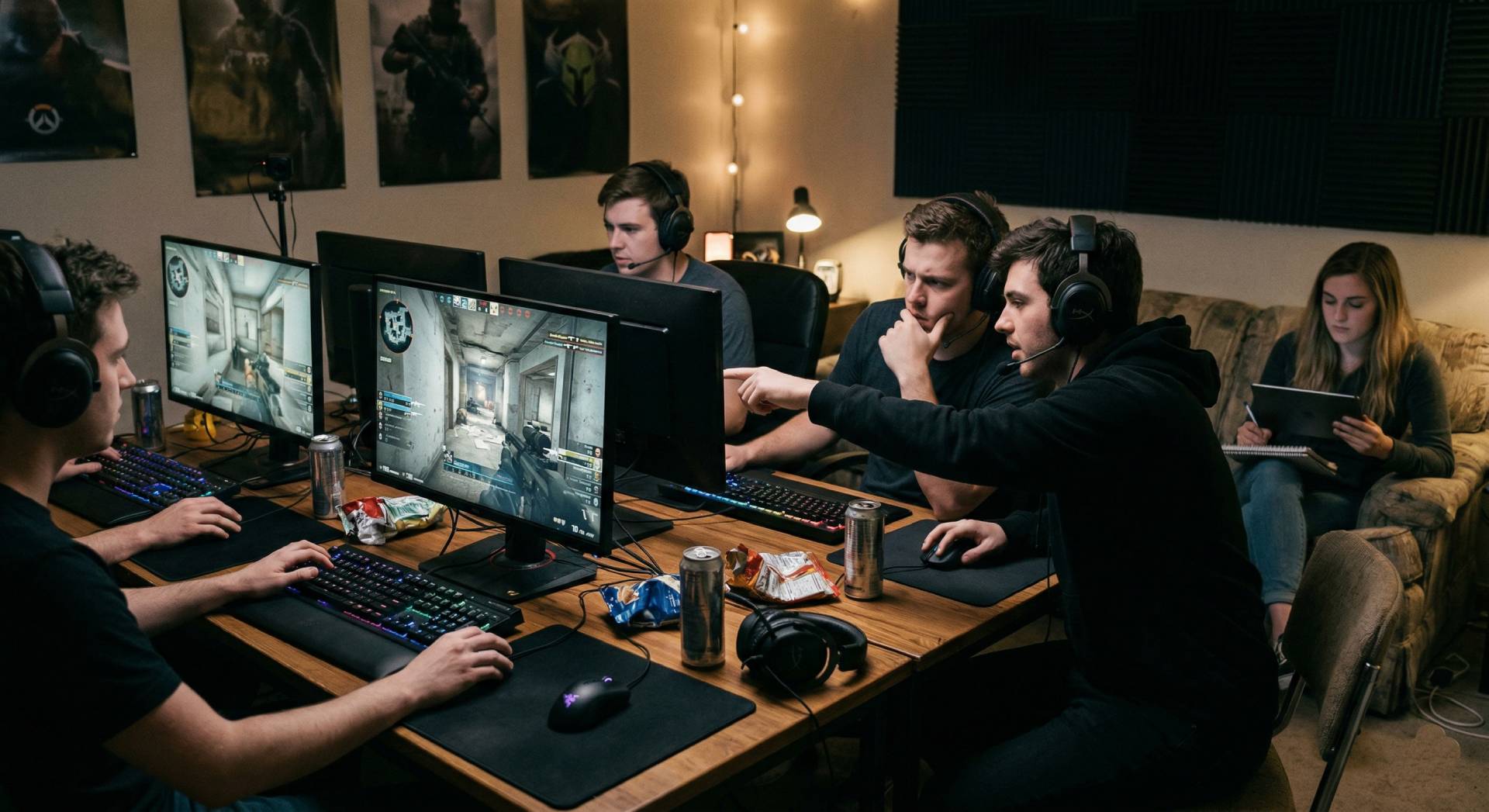
Competitive gaming has its loud moments, but much of the real work happens away from public queues. Scrims, practice lobbies, and private matches give players a place to test ideas, sharpen communication, and fix bad habits before rank is on the line.
For serious players, these sessions are part of the weekly routine. They create space for repetition, discipline, and smarter decision-making without the noise that often comes with random matchmaking.
That culture has grown well beyond esports teams. Small friend groups now set up custom sessions to rehearse strategies, run role swaps, or test different pacing. A private match can reveal far more than a casual session because everyone enters with a purpose.
One group might study rotations and timing, while another focuses on teamwork under pressure. The setting changes, yet the goal remains simple: improve in a controlled environment where mistakes become lessons rather than instant frustration.
Why Private Practice Still Matters
Public matches can teach resilience, but scrims teach structure. In a private lobby, players can stop after a round, talk through a bad read, and run the same scenario again with a new plan. That kind of repetition is hard to find in normal matchmaking.
It helps teams build trust, while solo players gain a clearer view of their own patterns. The process can feel slow at first, though it often saves time later when ranked sessions become more consistent.
This same mindset appears across genres. A basketball fan preparing for online competition may sort out builds, badges, and upgrades before stepping into tougher games, and that is where NBA 2K VC can fit naturally into the routine.
It is part of a larger habit many competitive players share: getting the right setup in place before serious play begins. Practice works best when players remove avoidable distractions and show up ready to focus.
The Value Side of Competitive Play
Practice culture also connects with a broader idea that many players now embrace. Budget gaming is a smart way to stay active in gaming without paying premium prices for every new release or chasing expensive hardware upgrades.
In that approach, Eneba can be useful for discounted game keys and deals, with a large catalog, competitive pricing, instant digital delivery, secure payments, and clear platform or region details right on the page.
Eneba also marks Global and region-locked options directly on product pages for transparency, and it runs a controlled marketplace where merchants undergo verification, follow compliance and sourcing standards, and remain under review, with action taken when policies are broken.
For players who spend hours in scrims, that value-focused approach makes sense. Practice does not always require the newest gear or a full-price library.
Sometimes it is about choosing games carefully, finding the right edition for your platform, and getting into the session without wasting time or money. That practical mindset fits the culture of improvement because it keeps attention on play rather than unnecessary spending.
Where The Real Progress Happens
Scrims and private matches rarely get the same spotlight as ranked wins, yet they shape the players who climb with confidence.
They create habits that public matches cannot always teach, like patience, review, and clear communication. Over time, that work changes how players react under pressure and how teams grow together.
It is a simple truth of competitive gaming: the quiet sessions often do the heavy lifting, and smart players know that progress starts long before the scoreboard appears, with Digital marketplaces like Eneba offering deals on all things digital that help players access games, expansions, and in-game content without overspending.