How to Counter Jeff the Land Shark in Marvel Rivals: Picks, Positioning, and Cooldown Windows

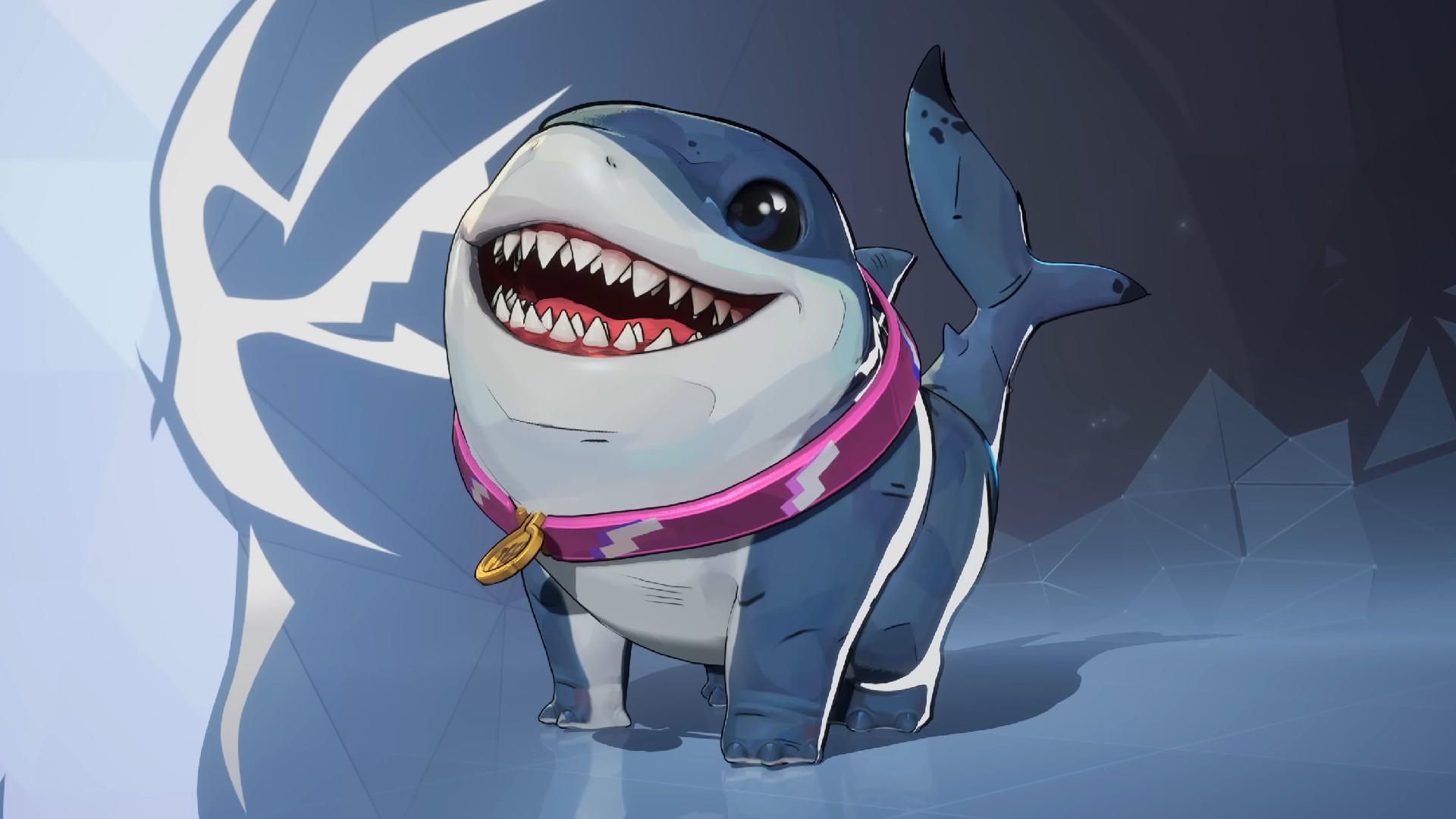
Jeff punishes players who confuse annoyance with threat priority. When people search for How to Counter Jeff the Land Shark in Marvel Rivals, they usually need a repeatable plan for spacing, target focus, and timing rather than a miracle duel that wins by default.
In Marvel Rivals, Jeff often survives just long enough to turn a clean pick into a lost fight. This guide explains why he feels oppressive, which cooldown windows matter, which heroes punish him best, and how your team can stop an It’s Jeff! round swing before it starts.
Why Jeff Feels Hard to Deal With
Jeff’s win condition is not raw 1v1 dominance but controlled chaos: he survives early pressure, keeps teammates stable, and punishes over-extensions with burst plus sustain. That matters because many teams misread him as a harmless backline nuisance, then lose fights when his healing and bubbles buy enough time for enemy damage dealers to take over.
The frustration comes from three traits working together: a small hitbox, slippery disengages, and fights that reset because poke damage rarely sticks. Jeff is strongest against poor team coordination, since isolated players feed him exactly the close-range, messy skirmishes he wants.
You rarely out-duel Jeff on equal terms unless he has already spent tools. The reliable answer is to force a cooldown window, deny his retreat path, and collapse before he can recover tempo.
Jeff’s Typical Fight Pattern
Jeff usually pokes until you drift into his effective range, then flips the trade with burst and healing. Turbosmurfs analysis across competitive hero shooters shows that characters built around tempo resets become strongest when opponents commit in ones and twos instead of as a timed pair.
When threatened, he leaves quickly enough that slow damage often converts into nothing. That means “almost killing Jeff” is strategically the same as failing, because he returns with cooldowns while your team has already spent resources.
The Two Mistakes Jeff Punishes Most
The first mistake is chasing him alone into corners, doorways, and enclosed routes where his kit is hardest to read and easiest to land. Tight geometry removes your spacing advantage and turns his survivability from annoying into decisive.
The second mistake is dumping major abilities before he commits. If Jeff sees your burst and mobility used early, he escapes, waits out the trade, and re-engages on his terms.
Identify What You’re Actually Countering: Kit Threats to Respect
Jeff threatens teams through close-to-mid range pressure, sustain that erases weak poke, and an ultimate ability that can swing a round if your spacing collapses. You do not beat that package by fearing him constantly; you beat it by identifying which specific tool is available and punishing the moment one is missing.
Thinking in cooldown windows is the cleanest framework against Jeff. A support with mobility and sustain is oppressive only while those buttons exist, so information and callouts matter more here than against slower Strategists who telegraph their value.
Small Hitbox and Movement: Why Aim Discipline Matters
Against a small target, uncontrolled spray gives Jeff free seconds to heal, reposition, and protect objective control for his team. Controlled bursts and disciplined tracking matter because every missed shot extends the fight into the exact length Jeff prefers.
Your angle matters as much as your aim. If you attack from a lane that narrows his exits, Jeff has to spend movement defensively instead of using it to bait you deeper.
Ultimate Awareness: Don’t Let One Button Swing the Round
Jeff’s ultimate should be treated as a team positioning check, not just a mechanical test. Teams that save escape tools, maintain spacing, and assign one player to peel reduce the ult from a fight-winner into a resource trade.
Use a simple response rule before the fight starts: one player interrupts if possible, one protects the threatened teammate, and at least one mobile hero keeps movement available for disengage. Simple rules beat panic because Jeff’s best rounds come from hesitation.
Step-by-Step Game Plan to Neutralize Jeff
Start by making Jeff cross open space to reach value. He is far less threatening when he must reveal his route early and cannot hide his approach behind close corners.
Next, force defensive cooldowns before you fully commit. The core principle is simple: if Jeff still has his exit, your burst is a test; if Jeff has no exit, your burst is a kill threat.
Finally, convert pressure quickly or disengage. Long duels feed sustain, but short coordinated bursts remove his chance to reset the fight.
Step 1: Control Space and Sightlines
Hold longer lanes whenever the map allows it. Jeff loses efficiency when he must enter visible sightlines to touch your backline or contest a favorable angle.
Anchor near cover so you can break line-of-sight the moment he looks to trade. Cover turns his burst windows into lower-value pokes and forces him to overstep for real pressure.
Step 2: Track Cooldowns and Call the Window
Bait the escape or defensive tool first, then collapse with two players immediately. A fast call such as “Jeff no escape” gives your team a shared trigger, which matters more than perfect mechanics.
Delayed commits are where counterplay fails. If you wait too long after the bait, Jeff regains distance, receives help, or resets the fight entirely.
Step 3: Finish Fast (Burst > Sustain)
Use heroes and combos that can erase him before healing stabilizes the trade. Burst beats sustain because it denies Jeff the time needed to turn a bad position into a neutral one.
If the first commit fails, back out and retake space instead of forcing a second bad duel. Reset discipline is a direct counter to Jeff’s ability to profit from extended scrambles.
Best Counter Picks and Why They Work
A good counter pick into Jeff does one of three things: delivers reliable burst, sticks to him after escape is forced, or denies his ultimate value with peel and spacing tools. Patch balance will shift exact rankings, but those principles stay stable even when hero numbers move.
The matchup lens matters more than tier-list worship. Jeff struggles most when opponents can punish weak moments instantly, and he thrives when enemies rely on slow, spread-out pressure.
High-Burst Duelists That Convert Kills
Hawkeye is a strong Duelist into Jeff because clean ranged damage can punish one positioning mistake before sustain matters. Hela-style ranged threats and assassin profiles such as Psylocke or Scarlet Witch work for the same reason: they shorten the kill window and remove Jeff’s chance to slither out.
Knowledge-base matchup data also points in this direction, with Jeff posting a notably poor win rate into Hawkeye. That matters because it confirms the principle that burst precision, not random pressure, is what actually breaks his cycle.
Brawlers and Divers That Don’t Let Him Reset
The Thing and Gambit can force panic cooldowns and bad pathing if they enter after Jeff has already spent mobility. Dive heroes only work consistently when they arrive on a called window, because blind chase still feeds Jeff the terrain he wants.
Spider-Man, Iron Fist, Thor, and Bucky-type kits can stay attached long enough to convert pressure into a kill. The key is patience: commit after baiting escape, not before.
Ranged Pressure and Utility Picks
Star-Lord pressures Jeff from outside his ideal range while keeping enough mobility to avoid easy punish windows. Punisher can zone likely routes with turret pressure, which reduces Jeff’s ability to take predictable paths safely.
Cloak and Dagger bring stealth timing, pressure, and awkward target access that can disrupt Jeff’s setup. These picks matter because they attack his positioning and timing, not just his health bar.
Role-Based Counterplay (Duelist, Vanguard, Strategist)
Teams lose to Jeff when everyone chases the same slippery target and no one protects the fight structure. The clean answer is role discipline: Duelists finish, a Vanguard controls entry angles, and a Strategist manages information and ult economy.
This division of labor improves decision speed in the next 10 seconds of a fight. Jeff punishes confusion more than he punishes any single role weakness.
As a Duelist: Force Cooldowns, Then Execute
Hold burst until Jeff commits or uses escape. Your job is not to start a long duel but to take the shortest kill line once the opening appears.
If your mobility is down, reset instead of chasing. Duelists die to Jeff most often when they turn a favorable poke exchange into an extended corner brawl.
As a Vanguard: Deny Angles and Protect Your Backline
A Vanguard should body-block entry lanes and make close corners expensive for Jeff to use. Space denial is often stronger than damage here because it prevents the kind of contact Jeff needs.
Save one crowd-control or displacement tool for his backline commit. Reactive control is more valuable than speculative engage when the enemy support is fishing for a turn.
As a Strategist: Win the Information and Ult Economy
A Strategist should maintain vision, call Jeff’s flank route early, and help the team decide whether to mark Jeff or his carry. Better information raises effective win rate because it turns surprise engages into expected ones.
Do not spend defensive ultimates just because Jeff appears on screen. Trade them only when multiple teammates are genuinely threatened, since overreacting gives him value without even landing the full play.
How to Survive Jeff’s Ultimate and Stop “Jeffnado” Moments
Jeffnado situations usually happen before the button is pressed. Hard counters to that swing are simple habits: do not stack tightly, keep mobility in reserve, and assign peel before the fight starts.
Pre-position when you know Jeff wants to force a choke. Hard disengage when your team is already clumped and key escape options are gone, because saving the fight late is often less realistic than preserving lives for a re-contest.
Positioning Rules That Reduce Multi-Catches
Avoid stacking in corridors and keep roughly one cover piece apart from teammates. That spacing rule lowers the odds that one engage catches multiple players and hands Jeff instant value.
Always fight with an exit route in mind. A planned retreat path is stronger than a heroic reaction because it shortens the time Jeff has to chain follow-up pressure.
Team Responses: Peel, Interrupt, Escape
Assign one player to peel the threatened target while another pressures Jeff directly. Splitting those jobs matters because a team that all peels gives Jeff freedom, while a team that all chases leaves allies exposed.
If you cannot fully stop the play, minimize value and give up space instead of lives. Resetting after the ult is often the winning line on objective maps.
Micro Examples: What Winning Exchanges Look Like
Winning against Jeff often means recognizing whether the goal is a kill or simply forcing him out before the objective flips. That distinction matters because overcommitting for the elimination can lose the real fight.
Example 1: Bait Escape, Then Two-Man Collapse
If Jeff uses mobility to dodge poke, call it instantly and send one diver plus one ranged finisher through the same sightline. You commit only when both players can see his likely exit, which turns chaos into a controlled trap.
Example 2: Anti-Flank Discipline on Objectives
If Jeff is missing before an objective fight, assume he is holding a close corner and keep key cooldowns ready. You win by denying his first burst, then counter-pushing while his tools are down.
Common Mistakes to Avoid When Countering Jeff
The biggest errors are over-chasing into tight spaces, spending mobility offensively and having nothing left for the ultimate, splitting damage across targets, and ignoring vision. Each mistake gives Jeff control over engagement timing, which is the real resource he converts into wins.
A support like Jeff becomes oppressive when your team hands him initiative for free. If he chooses every fight, even mediocre mechanics look unbeatable.
A Simple Fix: One Caller, One Target, One Window
Use one caller to decide whether Jeff or his carry is the priority target. That removes the hesitation that lets his sustain outlast your burst.
Commit only around one clear window: escape down, ultimate down, or route isolated. Clean timing beats frantic pressure every time.
Key Takeaways
Jeff is easiest to counter when you control distance, force cooldowns, and finish with burst before sustain resets the fight. Cooldown tracking is the centerpiece because every strong Jeff sequence depends on having one more button available than your team expected.
Pick heroes that either convert kills quickly or reduce his ultimate value through peel, spacing, and lane control. The goal is not to chase Jeff forever but to force resets on your terms and stop him from dictating pace in Marvel Rivals.
Quick Checklist
- Play longer sightlines and avoid tight corners.
- Keep an exit route before every fight starts.
- Bait escape first, then collapse with two players.
- Use burst damage to finish before sustain matters.
- Save mobility and peel for likely ultimate windows.
FAQ
How to counter Jeff the Shark in Marvel Rivals?
Play at range, track his escape cooldown, and commit with coordinated burst when he is isolated. Avoid chasing into tight corners, because that is where Jeff turns stalled fights in his favor.
How to beat Jeff the Land Shark?
Force his defensive tools first, then collapse with two players and finish quickly. Heroes with reliable burst and strong chase convert more kills before he can reset.
How to escape Jeff Ult in Marvel Rivals?
Pre-space so your team is not grouped, save mobility for the moment he commits, and break line-of-sight when possible. If someone gets caught, peel and disengage instead of forcing a bad rescue.
How to stop Jeffnado?
Do not stack in narrow areas, assign a peel player, and pressure Jeff as soon as he steps in. If you cannot stop it cleanly, back out early and re-contest after the ult value is spent.