The Ultimate Guide to Casual Sweepstakes Gaming Between Matches: How to Maximize Your LoL Queue Times
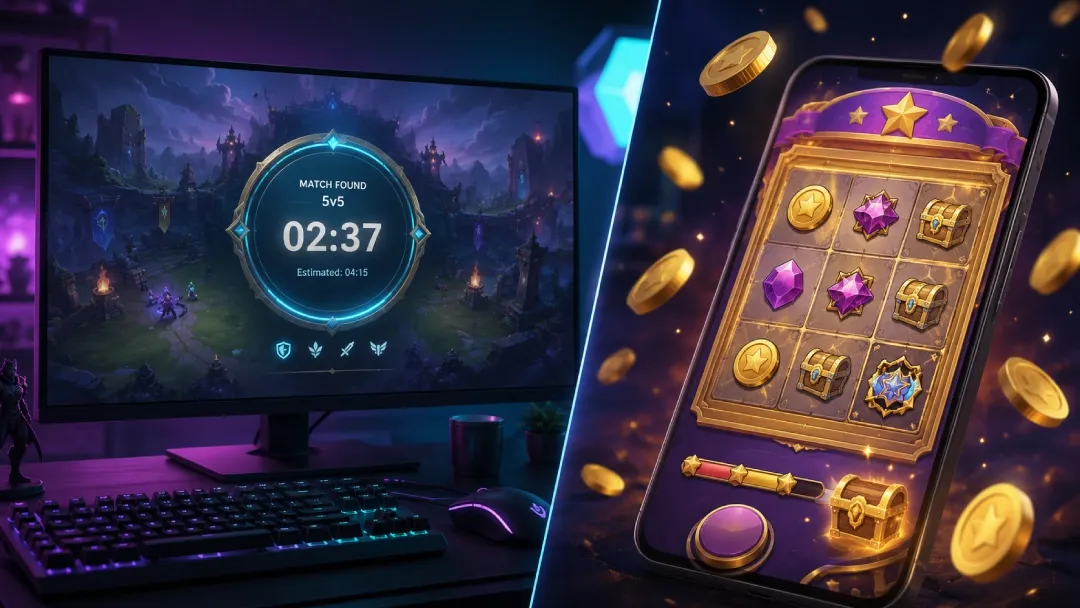
ong matchmaking lines don’t have to mean staring at a ticking timer. You can turn those quiet lobby gaps into something useful, keeping your reflexes sharp and your focus steady before the next match even begins.
Waiting for a League of Legends game can stretch from a few minutes to well over fifteen. It’s easy to fall into the habit of scrolling aimlessly, but that downtime can work in your favor if you treat it as part of your routine. Used well, queue time becomes a low-pressure window to stay mentally engaged without draining yourself before champion select.
Balancing Active Warmups with Ranked Fatigue
If you play at higher ranks or queue for specific roles, longer waits are just part of the experience. The problem is what that waiting does to your mindset. Sitting still too long pulls you out of a competitive rhythm and getting back into it quickly isn’t as easy as it sounds.
You’ve probably felt that sluggish start, the one where your first few minutes in-game feel slightly off. That’s what happens when your brain shifts into idle mode. Staying ready isn’t about constant intensity; it’s about maintaining a light level of engagement so you don’t have to force yourself back into focus.
Short, low-commitment activities help bridge that gap. Quick reflex-based interactions or small challenges can keep your hands active and your reactions responsive. Instead of jumping from complete inactivity into a high-pressure team fight, you stay loose, which makes a noticeable difference in early-game performance.
Discovering Low-Stress Sweepstakes Options
A growing number of players are filling that gap with lightweight digital reward platforms. These aren’t designed to pull you into long sessions; they’re built around quick interactions that fit neatly into unpredictable wait times.
That’s where new sweepstakes casinos 2026 come into the picture. They’re structured for fast, browser-based access, with short cycles that wrap up quickly. You can dip in, play a round and step away the moment your queue pops without feeling like you’re leaving something unfinished.
The appeal is mostly in the pacing. Digital scratch cards or rapid spins match the stop-start rhythm of matchmaking surprisingly well. Because they don’t rely on heavy processing power, they run alongside your main game without interfering, keeping your system focused on League of Legends where it matters.
Used casually, they become another way to stay engaged without adding pressure. The key is keeping that boundary clear; these are brief distractions, not the main event.
Hunting for the Perfect Queue Companion
Not every game fits into those small windows between matches. Anything with a deep narrative or heavy strategy will pull too much attention away and make it harder to disengage quickly.
What works best are simple, responsive experiences that respect your time. You’re looking for something that loads instantly, runs smoothly alongside your main client and doesn’t punish you for stepping away mid-session.
The strongest options usually share a few clear traits:
- You can pause or exit immediately
- Sessions are short and self-contained
- They run lightly in the background without affecting performance
- Switching between windows feels seamless
When something ticks all those boxes, it stops being a distraction and starts acting more like a buffer between matches.
Tuning System Settings for Seamless Swapping
Running multiple applications at once can still cause issues if your setup isn’t optimized. Even small delays, like a frozen screen or a missed queue pop, can disrupt your flow.
A bit of preparation goes a long way. If your system struggles with memory, background processes can stack up and slow everything down during key transitions. Adjusting settings like your page file size can help create breathing room, especially on older machines.
In-game, borderless window mode makes switching between applications much smoother. You don’t have to deal with full-screen interruptions and you can move back instantly when needed. Audio alerts for match acceptance are worth enabling, too; they cut through whatever else you’re doing and make sure you don’t miss your window.
On the browser side, lowering resource-heavy settings can free up extra performance. And within the Riot client, turning on “Close Client During Game” reduces unnecessary strain, keeping your system focused entirely on the match once it starts.
Pivoting Focus Back to the Draft Phase
All of this only works if you can switch gears instantly. The moment your match is ready, everything else needs to drop.
That transition matters more than people think. Drafting isn’t just a formality; it’s where early advantages are built. If your attention lags for even a few seconds, you risk missing key bans, miscommunicating roles or locking in without a clear plan.
Closing secondary tabs right away helps reset your focus. From there, it’s about reading the room, watching picks, reacting to bans and coordinating with your team from the start.
Queue-time activities should keep you engaged, not pull you away. When used properly, they sharpen your readiness rather than dilute it. The real goal is simple: stay mentally present so that when the Rift loads in, you’re already one step ahead.